Choosing a heating system for your home isn’t just about staying warm; it’s about comfort, efficiency, long-term savings, and peace of mind. Many homeowners struggle with the decision between installing a heat pump or a furnace, especially when both options seem reliable and widely used across the U.S.
The reality is that the “better” option depends on your home, climate, and expectations. Some households value energy efficiency, while others prioritize powerful heating during freezing winters. This guide walks you through a clear heating system comparison, helping you understand costs, efficiency, performance, and real-life use cases—so you can confidently choose the best heating system for home comfort.
How They Work
A heat pump works by transferring heat instead of generating it. During colder months, it pulls warmth from the outdoor air and moves it inside. In warmer months, it reverses the process, functioning like an air conditioner. That’s why heat pumps often pair well with air conditioning services.
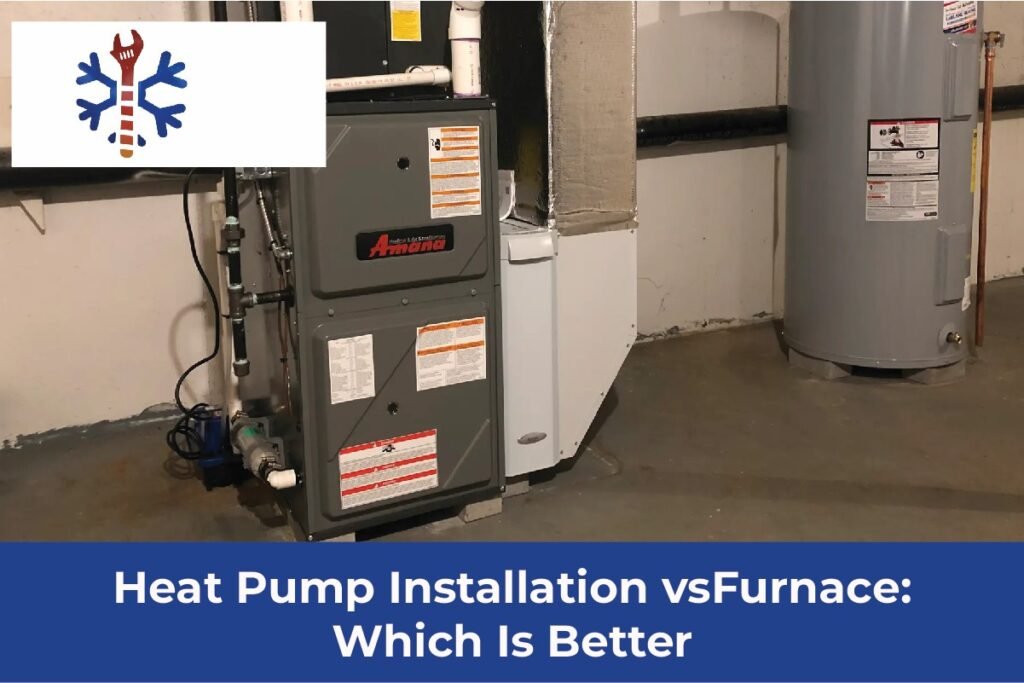
A furnace produces heat by burning gas or using electricity. The generated heat is then distributed through ducts. Furnaces are known for fast, powerful heating, especially during extremely cold weather.
Understanding this difference is essential before comparing performance and costs.
Installation Costs
When comparing heat pump vs furnace cost, installation plays a major role. Heat pump installation cost is generally higher upfront because the system handles both heating and cooling. However, many homeowners recover this cost through reduced monthly energy bills.
Furnace installation cost is usually lower at the start, particularly for gas furnaces. Still, fuel costs and long-term maintenance can increase total expenses over time.
Looking beyond upfront pricing gives a clearer picture of long-term value.
Energy Efficiency
In the heat pump vs furnace efficiency debate, heat pumps often come out ahead. Since they move heat instead of creating it, they consume less energy and are considered one of the most energy-efficient heating systems available.
Furnaces can still be efficient, especially newer gas models, but they rely on fuel combustion. That limits their efficiency compared to electric heat pumps, particularly in moderate climates.
Higher efficiency means lower bills and a smaller environmental footprint.
Comfort Levels
Comfort is more than temperature; it’s consistency. Heat pumps deliver steady, even warmth without sharp temperature changes. This creates a more balanced indoor environment.
Furnaces heat quickly and produce hotter air, which many homeowners prefer during cold snaps. However, temperature swings can be more noticeable.
Your comfort preference matters just as much as efficiency numbers.
Cold Climate Use
The furnace vs heat pump for cold climates discussion is important. Furnaces still perform exceptionally well in regions with long, harsh winters. They generate strong heat regardless of outdoor temperatures.
Modern heat pumps have improved significantly and now work efficiently in colder climates, especially when paired with backup systems. For some homeowners, a dual-fuel setup offers flexibility and reliability.
Climate should always guide your final decision.
Pros and Cons
Looking at heat pump vs furnace pros and cons helps clarify expectations. Heat pumps offer energy savings, lower emissions, and year-round use. However, they may require backup heating in extreme cold.
Furnaces provide dependable heat and quick warming but come with higher fuel costs and no built-in cooling. Maintenance needs can also be higher, especially for gas systems.
Weighing these factors honestly prevents costly mistakes.
Maintenance Needs
Heat pumps usually require less maintenance and integrate easily with air conditioning repair schedules. Regular checkups help maintain efficiency and extend lifespan.
Furnaces need consistent inspections, especially for gas safety. Regardless of system type, services like indoor air quality services and Air quality testing improve overall home comfort and health.
Preventive care always saves money long term.
Long-Term Value
Both systems can last 15–20 years with proper care. Heat pumps often deliver better long-term savings through lower operating costs, while furnaces excel in durability under extreme conditions.
Choosing the best heating system for home value depends on energy costs, climate, and usage habits.
A well-installed system performs better, lasts longer, and delivers higher returns.
Final Thought
There’s no universal winner in the heat pump installation vs furnace debate. Heat pumps shine in efficiency and versatility, while furnaces remain strong performers in extreme cold. The best choice depends on your climate, budget, and comfort goals.
Consulting an HVAC professional ensures you choose a system that delivers lasting comfort and real value.
FAQs
Which is cheaper long term?
Heat pumps usually cost less to operate over time.
Are heat pumps good in winter?
Yes, especially modern models designed for cold climates.
Do furnaces last longer?
Both systems have similar lifespans with proper maintenance.
Which system improves air quality?
Both benefit from filtration and air quality testing.