Keeping your home warm during winter can become expensive, especially when heating systems run for several hours every day. As temperatures drop, homeowners often increase their thermostat settings to maintain a comfortable indoor environment. However, higher heating usage can lead to rising energy bills.
The good news is that you do not have to sacrifice comfort to reduce heating costs. Simple changes, such as improving insulation, maintaining your furnace, adjusting thermostat settings, and sealing air leaks, can help your heating system work more efficiently.
Whether you use a furnace, heat pump, or another heating system, making a few smart improvements can help you save energy while keeping your home warm. In this guide, we will explore practical ways to lower heating bills without compromising indoor comfort.
Key Takeaways
- Adjust your thermostat to reduce unnecessary heating.
- Seal air leaks around windows, doors, and other openings.
- Improve insulation to prevent indoor heat from escaping.
- Replace dirty furnace filters to maintain proper airflow.
- Use ceiling fans to distribute warm air more effectively.
- Schedule regular HVAC maintenance to improve system performance.
- Use natural sunlight to warm your home during the day.
1. Adjust Your Thermostat Settings
Your thermostat plays an important role in controlling your home’s heating costs. Setting the temperature higher than necessary can make your heating system run longer and consume more energy.
One simple way to reduce heating bills is to choose a comfortable temperature and avoid making frequent adjustments. The U.S. Department of Energy generally recommends setting your thermostat to 68°F while you are awake and lowering it when you are asleep or away from home, if comfortable.
Use a Programmable or Smart Thermostat
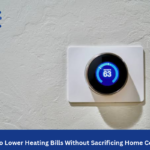
A programmable or smart thermostat can automatically adjust indoor temperatures according to your daily routine.
For example, you can schedule lower temperatures when everyone is at work or school and increase the temperature before returning home. This prevents your heating system from running unnecessarily when nobody is home.
Smart thermostats may also offer remote temperature control, scheduling options, and energy usage insights.
2. Seal Air Leaks Around Your Home
Small gaps around doors, windows, and other openings can allow warm indoor air to escape. At the same time, cold outdoor air can enter your home, making rooms feel uncomfortable.
When this happens, your heating system has to work harder to maintain the desired temperature, which can increase energy consumption.
How to Find and Seal Air Leaks
Check common areas where air may enter or escape, including:
- Gaps around exterior doors and windows.
- Spaces around electrical outlets on exterior walls.
- Openings around plumbing pipes.
- Cracks near walls, floors, and ceilings.
- Gaps around attic access points.
Use weatherstripping around movable doors and windows. Caulk can help seal smaller gaps around stationary surfaces.
Properly sealing these openings helps maintain indoor temperatures and reduces unnecessary heating demand.
3. Improve Your Home’s Insulation
Insulation helps slow down heat transfer between indoor and outdoor spaces. Without sufficient insulation, warm air can escape through the attic, walls, floors, and ceilings.
This makes it harder for your heating system to maintain a comfortable indoor temperature.
Focus on Important Areas
The attic is one of the first places to check because heat can escape through an improperly insulated roof area. You should also consider insulation in exterior walls, crawl spaces, and floors above unheated areas.
If your home has older or damaged insulation, consider having it inspected by an insulation professional.
Improving insulation can help your home retain warmth for longer periods, allowing your heating system to operate more efficiently.
4. Replace Dirty Furnace Air Filters
A dirty air filter can restrict airflow and make your furnace work harder to distribute warm air throughout your home.
When dust, dirt, and other particles collect inside the filter, less air can pass through the system. This may reduce heating performance and increase energy usage.
How Often Should You Replace Furnace Filters?
Most standard furnace filters need replacement every one to three months. However, the correct schedule depends on the filter type, household conditions, and manufacturer’s recommendations.
Homes with pets, allergies, or higher dust levels may require more frequent filter checks.
A clean filter supports proper airflow, improves indoor air quality, and helps your heating system operate more effectively.
5. Use Ceiling Fans to Distribute Warm Air
Ceiling fans are commonly used during summer, but they can also help improve comfort during winter.
Warm air naturally rises toward the ceiling. As a result, the upper part of a room may feel warmer than the areas where people spend most of their time.
Running a ceiling fan at a low speed in the correct winter direction can gently move warm air downward.
Set Your Ceiling Fan to Winter Mode
Many ceiling fans have a reverse setting that allows the blades to rotate clockwise when viewed from below.
This direction can help move warm air away from the ceiling and redistribute it throughout the room without creating an uncomfortable breeze.
Check your fan manufacturer’s instructions to confirm the correct winter setting.
6. Schedule Regular HVAC Maintenance
Your heating system needs regular maintenance to continue operating efficiently. Dust buildup, worn components, restricted airflow, and mechanical problems can affect heating performance.
When a furnace or heat pump is not working properly, it may consume more energy while struggling to maintain your desired indoor temperature.
What Does Professional HVAC Maintenance Include?
A routine HVAC inspection may include:
- Checking the thermostat and system controls.
- Inspecting electrical connections.
- Examining the blower motor and airflow.
- Checking filters and other accessible components.
- Inspecting heating system operation.
- Identifying worn or damaged parts.
- Checking safety controls and other important components.
Professional maintenance helps identify developing problems before they lead to unexpected breakdowns.
For homeowners in Houston and surrounding Texas areas, IROB Tech HVAC LLC provides heating system maintenance, furnace repair, and HVAC services to help keep residential and commercial systems operating reliably.
7. Use Curtains and Blinds Strategically
Windows can contribute to heat loss, especially when they have older frames, damaged seals, or poor insulation.
Using curtains and blinds strategically can help improve indoor comfort without requiring additional heating.
Take Advantage of Natural Sunlight
During sunny winter days, open curtains and blinds to allow sunlight to enter your home. Natural sunlight can provide passive warmth and help reduce the need for additional heating.
When the sun goes down, close curtains to create another barrier between your indoor space and cold window surfaces.
Thermal or insulated curtains can provide additional help in rooms with drafty windows.
8. Keep Heating Vents and Registers Clear
Blocked air vents can prevent warm air from circulating properly throughout your home. Furniture, rugs, curtains, and other household items may accidentally cover supply registers or return air vents.
When airflow becomes restricted, some rooms may feel colder than others, even when the heating system is running.
Improve Air Circulation
Walk through your home and check that heating vents and return air registers are not blocked.
Move furniture away from vents and clean dust from accessible register covers. Avoid closing multiple vents to force more air into other rooms, as this can disrupt the airflow balance of certain HVAC systems.
Keeping vents clear allows warm air to circulate more evenly and supports efficient heating performance.
9. Consider Upgrading to an Energy-Efficient Heating System
If your heating system is old, frequently breaking down, or struggling to keep your home warm, it may be worth considering an upgrade.
Modern furnaces and heat pumps are available with energy-efficient features that can help reduce heating consumption.
Choose the Right Heating System
Before replacing your current system, consider your home’s size, insulation, heating requirements, and local climate.
An HVAC professional can evaluate your property and recommend an appropriately sized heating system.
A properly selected and installed system can provide consistent indoor comfort while helping manage long-term energy costs.
Common Heating Mistakes That Increase Energy Bills
Sometimes, small everyday habits can make heating more expensive than necessary. Avoiding these mistakes can help improve energy efficiency.
- Setting the thermostat too high: Excessively high temperatures can increase heating demand.
- Ignoring dirty air filters: Clogged filters restrict airflow and affect system performance.
- Leaving windows open: Open windows allow heated indoor air to escape.
- Blocking air vents: Covered registers can interfere with proper air circulation.
- Skipping HVAC maintenance: Neglected systems may develop problems that reduce efficiency.
- Ignoring air leaks: Small gaps around doors and windows can contribute to heat loss.
Making simple changes to your daily habits can help reduce unnecessary energy usage while keeping your home comfortable.
Final Thoughts on Lowering Heating Bills
Reducing heating bills does not mean keeping your home uncomfortably cold during winter. With proper insulation, sealed air leaks, clean furnace filters, and smart thermostat settings, you can improve energy efficiency without sacrificing indoor comfort.
Regular HVAC maintenance is equally important because it helps your heating system operate properly and identifies potential problems before they become expensive repairs.
If your furnace or heat pump is struggling to maintain comfortable temperatures, professional inspection may help identify the cause. IROB Tech HVAC LLC provides professional HVAC repair, maintenance, installation, and replacement services in Houston, Beaumont, Austin, and surrounding Texas areas.
With over eight years of industry experience, licensed technicians, and 24/7 availability, IROB Tech HVAC LLC helps homeowners and businesses maintain reliable indoor comfort throughout the year.
Contact IROB Tech HVAC LLC at (346) 971-1841 to schedule HVAC service and keep your heating system performing efficiently.
Frequently Asked Questions
1. What is the best temperature to set my thermostat in winter?
The U.S. Department of Energy generally recommends setting your thermostat to 68°F while you are awake and lowering it when you are asleep or away from home, if comfortable. Your ideal setting may vary depending on your household’s needs.
2. Does turning down the thermostat really save money?
Yes. Lowering your thermostat when you are asleep or away can reduce heating demand and help lower energy consumption. A programmable thermostat can make these adjustments automatically.
3. How can I keep my house warm without increasing heating costs?
Improve insulation, seal air leaks, use insulated curtains, replace dirty air filters, and keep heating vents clear. These steps help maintain indoor warmth without relying entirely on additional heating.
4. How often should I schedule furnace maintenance?
Most heating systems should receive professional maintenance at least once a year. Regular inspections help identify worn components, airflow problems, and other issues that may affect system performance.
5. Can a dirty furnace filter increase heating bills?
Yes. A clogged air filter restricts airflow and can make your furnace work harder to circulate warm air. Replacing the filter according to the manufacturer’s recommendations helps maintain proper airflow and heating performance.