Keeping your home warm during cold weather can become expensive, especially when your heating system runs for long hours. However, saving money does not mean you have to sit in a cold room or wear extra layers all day. Small changes around your home can help reduce wasted heat and make your heating system work better.
If you want to learn how to lower heating bills, start by looking at how your home uses and holds heat. From checking air filters to sealing drafts, there are several simple ways to manage energy use while keeping your living space comfortable.
Key Takeaways
- Replace dirty heating system filters when needed.
- Seal gaps around doors and windows to stop warm air from escaping.
- Use thermostat settings that suit your heating system.
- Keep vents and radiators clear so heat can move around.
- Improve insulation in areas where heat escapes.
- Schedule regular heating system maintenance.
- Check energy use before deciding to replace older equipment.
Seal Air Leaks Around Doors and Windows
Small gaps around doors and windows can let cold air enter your home. At the same time, warm air can escape through these openings. This makes rooms feel colder and may cause your heating system to run longer.
Check the edges of exterior doors and windows for noticeable gaps. You may feel cold air coming through or notice that certain areas stay chilly even when the heat is on.
Use Weatherstripping and Door Sweeps
Weatherstripping can help close small gaps around doors and windows. A door sweep can cover the space between the bottom of a door and the floor.
These are simple improvements that can help reduce drafts without major work. Choose materials that fit the size of the gap and follow the product instructions when installing them.
Check Attic Doors and Other Openings
Warm air can escape through more than just windows and doors. Attic access panels, basement openings, and gaps around pipes may also allow air to move between spaces.
Check these areas for loose covers or visible openings. Proper sealing can help keep indoor temperatures more stable.
Set Your Thermostat With Care
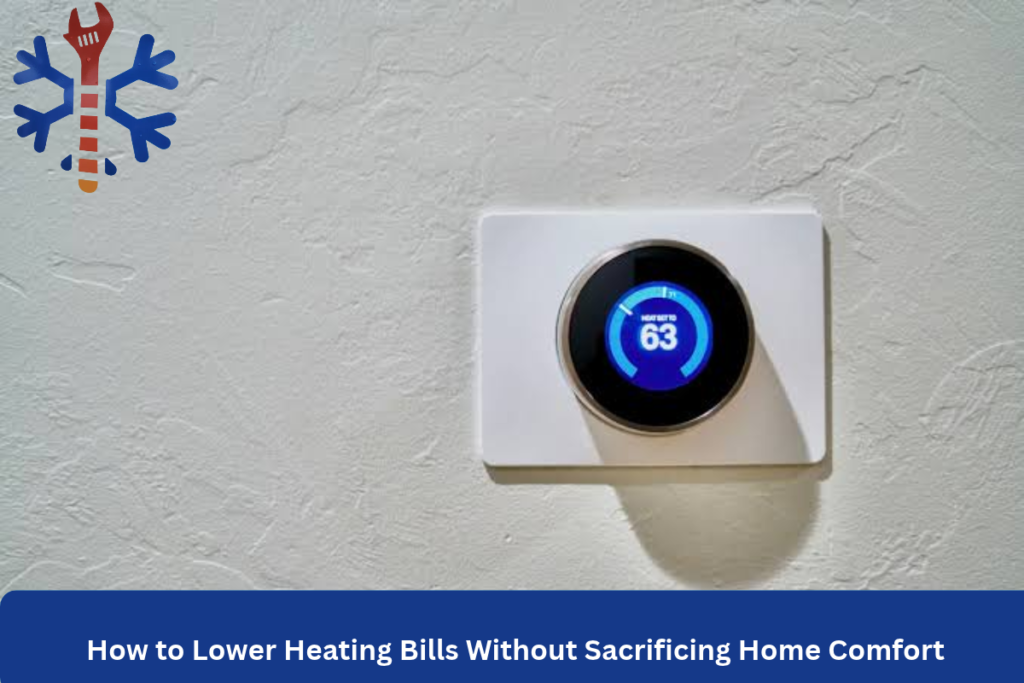
Your thermostat controls when your heating system runs. Changing its settings based on your daily routine can help reduce unnecessary heating.
For example, you may not need the same temperature while sleeping or when everyone is away from home. A small adjustment during these times can reduce energy use.
Use a Programmable or Smart Thermostat
A programmable thermostat lets you set a heating schedule. You can choose when the system should warm the home and when it should use a lower setting.
Smart thermostats offer additional controls through a phone or other connected device. Some models can also learn your routine and help manage heating times.
Choose settings that keep your home comfortable and follow the guidance for your heating equipment. If you use a heat pump, avoid making large temperature changes without checking the manufacturer’s recommendations. Some systems may use more expensive backup heat when asked to warm the home quickly.
H3: Avoid Frequent Manual Changes
Changing the thermostat again and again can make it harder to manage your heating routine. Set a practical schedule and give your system time to work.
Also, remember that setting the thermostat much higher than your desired temperature will not necessarily heat the home faster. It may simply keep the system running longer.
Replace Dirty Air Filters and Keep Vents Clear
Your heating system needs good airflow to work properly. A dirty filter can restrict the air moving through the equipment. This may make the system work harder and affect how evenly heat reaches different rooms.
Check your filter regularly, especially during periods of heavy use. Replace it when it is dirty or according to the manufacturer’s instructions. Some filters need changing more often than others.
You should also check supply vents and return grilles around your home. Furniture, rugs, curtains, and storage boxes should not block them.
Keeping these areas clear allows warm air to move more freely. It can also help reduce temperature differences between rooms.
Improve Insulation to Keep Warm Air Inside
Insulation helps slow the movement of heat between your home and the outside. When insulation is poor, your heating system may need to run longer to maintain a comfortable temperature.
The attic is an important place to check because heat can escape through the ceiling and roof area. Walls, floors, crawl spaces, and basements may also need attention depending on the home.
If some rooms feel much colder than others, insulation problems may be part of the reason. A home energy check can help identify areas where improvements may be useful.
You do not always need to insulate the entire house at once. Start with the areas that allow the most heat to escape and plan improvements based on your budget.
Use Curtains and Blinds to Manage Heat
Windows can affect how warm a room feels during winter. Cold glass and air leaks around window frames may make nearby areas uncomfortable.
Thick curtains or insulated blinds can provide another layer between the room and the window. They may help reduce heat loss, especially when windows are older or poorly insulated.
During sunny daytime hours, open curtains on windows that receive direct sunlight. Natural sunlight can add warmth to a room. Close them after sunset to help keep that warmth inside.
Make sure curtains do not cover heating vents or radiators. Blocking these areas can prevent warm air from spreading through the room.
Use Ceiling Fans to Move Warm Air
Warm air naturally rises, which can leave the upper part of a room warmer than the area near the floor. A ceiling fan may help move some of that warm air back down.
Many ceiling fans have a winter setting that changes the direction of the blades. When used at a low speed, this can help circulate warm air without creating a strong breeze.
Check the fan’s instructions before changing its direction. If the room feels drafty, lower the speed or turn the fan off.
Schedule Regular Heating System Maintenance
A heating system needs regular care to operate as expected. Dust, worn parts, airflow problems, and other issues can affect how well it heats your home.
A maintenance visit gives a qualified technician a chance to inspect the equipment, check its operation, and look for problems that may need attention.
Depending on your system, maintenance may include:
- Checking electrical connections and controls
- Inspecting the blower and other key parts
- Checking airflow and filter condition
- Looking for signs of wear or damage
- Checking system operation and safety features
Regular maintenance does not guarantee a lower bill, but it can help identify problems before they become larger repairs. Follow the service schedule recommended for your equipment.
Use Space Heaters Carefully
If you spend most of your time in one room, a space heater may seem like an easy way to avoid heating the whole home. However, portable heaters use electricity and can add to your energy costs.
If you use one, choose a model with safety features such as tip-over protection and overheat protection. Keep it away from curtains, bedding, furniture, and other items that can catch fire.
Never leave a portable heater running unattended or while you are asleep unless the manufacturer specifically allows that use. Do not use outdoor heaters indoors, and avoid connecting a heater to an unsuitable extension cord.
A space heater may help in some situations, but compare its running cost with your central heating system before relying on it regularly.
Check Your Heating System’s Energy Use
If your heating bills remain high after making basic changes, look more closely at the equipment itself.
An older furnace or heat pump may use more energy than a newer, properly sized, and efficient model. However, high bills do not always mean the system needs replacing. Leaky ducts, poor insulation, blocked airflow, or incorrect thermostat settings can cause similar problems.
Compare your energy use over several billing periods. Consider changes in outdoor temperatures, how often the system runs, and whether your household routine has changed.
If the problem continues, ask a qualified heating professional to inspect the system and explain the possible causes. This can help you decide whether a repair, maintenance visit, duct improvement, or replacement makes the most sense.
Final Thoughts on Lowering Heating Bills
Learning how to lower heating bills starts with reducing wasted energy and helping your heating system work properly. Sealing drafts, checking filters, improving insulation, and using sensible thermostat settings can all make a difference.
You do not need to make every change at once. Start with simple improvements, pay attention to rooms that feel uncomfortable, and keep track of your energy use.
If your home still feels cold or your bills remain unusually high, have your heating system checked. The right changes can help you enjoy a warm home without spending more than necessary.
Frequently Asked Questions
What is the easiest way to lower heating bills?
Start by checking your air filter, sealing drafts around doors and windows, and using a practical thermostat schedule. These simple steps can help reduce wasted energy.
Does lowering the thermostat really save money?
It can. Using a lower setting when you are asleep or away may reduce heating use. The best schedule depends on your heating equipment, especially if you have a heat pump.
How often should I replace my heating system filter?
Check the filter monthly during regular use. Replace it when it becomes dirty and follow the manufacturer’s instructions for the correct replacement schedule.
Can curtains help keep a home warm in winter?
Yes. Thick curtains and insulated blinds can help reduce heat loss through windows. Open them during sunny daytime hours and close them after sunset.
Why is my heating bill high even when my thermostat is set low?
Possible reasons include poor insulation, air leaks, blocked filters, duct leaks, equipment problems, or changes in energy prices. A heating system inspection can help identify the cause.
Does heating system maintenance reduce energy bills?
Maintenance can help your system operate properly and identify problems that affect performance. However, the amount you save depends on the system’s condition and the issues found during service.