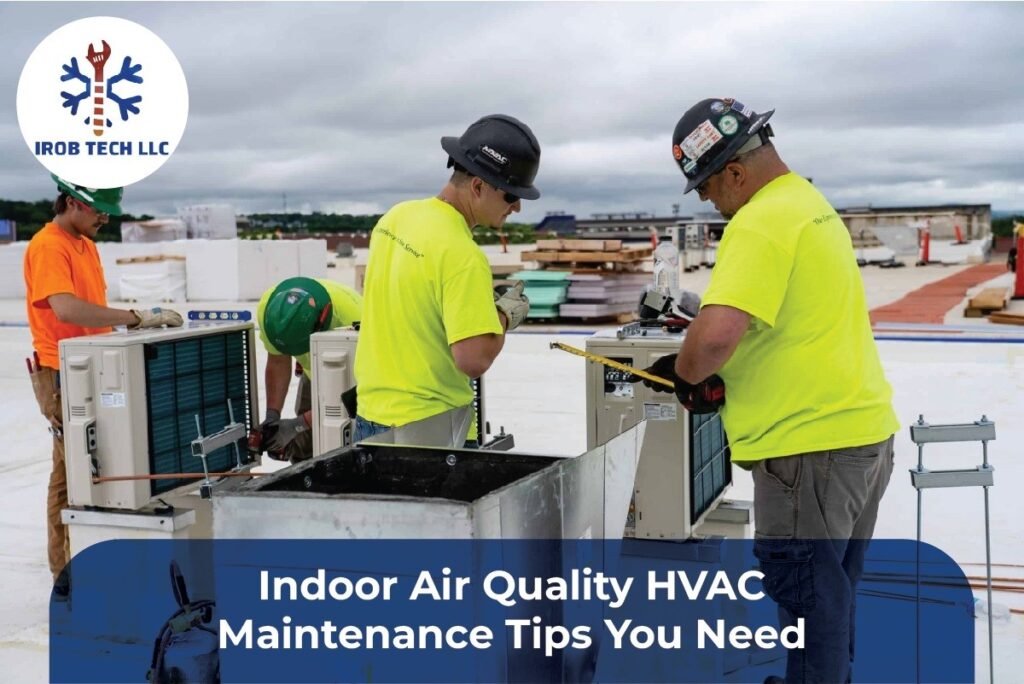
Maintaining a healthy home environment starts with clean, breathable air. Many homeowners overlook how much indoor air quality improvement affects overall health, comfort, and energy efficiency. Your HVAC system plays a crucial role in keeping your indoor air fresh and safe. Regular maintenance not only ensures your system runs efficiently but also reduces allergens, dust, and other pollutants from circulating throughout your home.
Whether it’s a family with young children, someone prone to allergies, or simply anyone wanting a cleaner living space, paying attention to HVAC maintenance can transform the air you breathe daily. Implementing HVAC system maintenance practices and following a structured schedule ensures your system is performing optimally, saving energy, and enhancing indoor comfort all year round.
Why Indoor Air Quality Matters
Indoor air can be more polluted than outdoor air, containing dust, allergens, and harmful particles. Proper indoor air quality improvement reduces these contaminants, improving health and comfort. Poor air quality can trigger allergies, respiratory issues, and even affect sleep quality.
By prioritizing HVAC maintenance, including air filter replacement and duct cleaning, you can minimize these risks. Clean systems circulate fresh air effectively, while well-maintained filters capture dust and allergens before they reach your living spaces.
Regular Air Filter Replacement
One of the simplest yet most effective ways to maintain your HVAC system is air filter replacement. Filters trap dust, pollen, and debris, preventing buildup inside your system and improving air quality. Depending on usage and filter type, replacements may be needed every 1–3 months.
Dirty filters not only reduce efficiency but also allow pollutants to circulate. Regularly swapping out filters protects your health and keeps your system from overworking, lowering energy bills and extending its lifespan.
Duct Cleaning Services and Maintenance
Over time, dust, mold, and other contaminants can accumulate in your ductwork. Investing in professional duct cleaning services ensures that air moves freely and stays clean. Clean ducts reduce the strain on your HVAC system and improve overall home air quality.
Proper duct maintenance also prevents unpleasant odors and decreases the likelihood of mold growth. Combining duct cleaning with the HVAC inspection checklist steps ensures a comprehensive approach to system upkeep.
HVAC System Inspection Checklist
A thorough inspection is critical for identifying potential issues before they become major problems. An HVAC inspection checklist typically includes checking thermostat operation, air flow, refrigerant levels, electrical connections, and signs of wear or leaks.
Regular inspections by professionals like air conditioning services or heating repair services not only maintain system efficiency but also extend equipment life. Combining these inspections with proactive maintenance improves indoor air circulation and overall comfort.
Seasonal Maintenance Tips
Seasonal changes affect HVAC performance. In the spring and summer, focus on air conditioning maintenance, including air filter replacement, cleaning coils, and inspecting ductwork. In fall and winter, heating systems should be checked for furnace performance, proper ventilation, and thermostat accuracy.
Following seasonal maintenance routines ensures consistent indoor air quality improvement throughout the year. Seasonal check-ups prevent emergency breakdowns and maintain the system’s ability to filter and circulate air effectively.
Smart Home Air Quality Solutions
Modern homeowners can enhance home air quality tips using smart devices and sensors. Air purifiers, humidity controls, and air quality monitors help maintain optimal conditions inside your home. Integration with your HVAC system provides real-time data, helping you address issues proactively.
Professional services like indoor air quality services and Air quality testing can identify hidden pollutants, giving you a clear improvement plan. Combining technology with regular maintenance ensures consistently clean and healthy indoor air.
DIY Maintenance Tips
Some simple tasks can be performed by homeowners to maintain HVAC performance. Regularly vacuuming vents, wiping down surfaces, and checking filters helps keep your system running efficiently. Keeping the area around your HVAC unit clear of debris also improves airflow.
These DIY efforts complement professional inspections and services. When combined with duct cleaning services and scheduled maintenance, these small actions contribute significantly to indoor air quality improvement and overall system longevity.
Common Mistakes to Avoid
Ignoring filter changes, skipping inspections, and neglecting duct cleaning are common mistakes that compromise air quality. Overlooking seasonal maintenance can lead to inefficient performance, higher energy bills, and health risks.
Failing to schedule HVAC system maintenance with professionals or ignoring warning signs like strange noises, inconsistent temperatures, or bad odors can result in costly repairs. Staying proactive and attentive ensures your system works efficiently and your home remains comfortable and safe.
Final Thought
Maintaining your HVAC system is more than a routine chore; it’s a commitment to health, comfort, and efficiency. Implementing indoor air quality improvement strategies, scheduling regular HVAC system maintenance, performing timely air filter replacement, and investing in duct cleaning services ensures your home remains a safe, comfortable environment year-round. By combining professional services like Heating repair services, air conditioning services, indoor air quality services, and Air quality testing with proactive DIY tips, you can enjoy cleaner air, lower energy costs, and a more reliable HVAC system for years to come.
FAQs
Q: How often should I replace HVAC air filters?
A: Typically every 1–3 months, depending on usage, filter type, and household conditions.
Q: What are the signs my HVAC system needs professional maintenance?
A: Unusual noises, uneven airflow, inconsistent temperatures, or increased energy bills are indicators.
Q: How often should ducts be cleaned?
A: Every 3–5 years is recommended, but homes with pets or allergies may need more frequent cleaning.
Q: Can smart devices improve indoor air quality?
A: Yes, air quality monitors, purifiers, and humidity controls help maintain optimal conditions.
Q: Are HVAC inspections worth it?
A: Absolutely. Regular inspections prevent costly repairs, improve energy efficiency, and maintain healthy air quality.