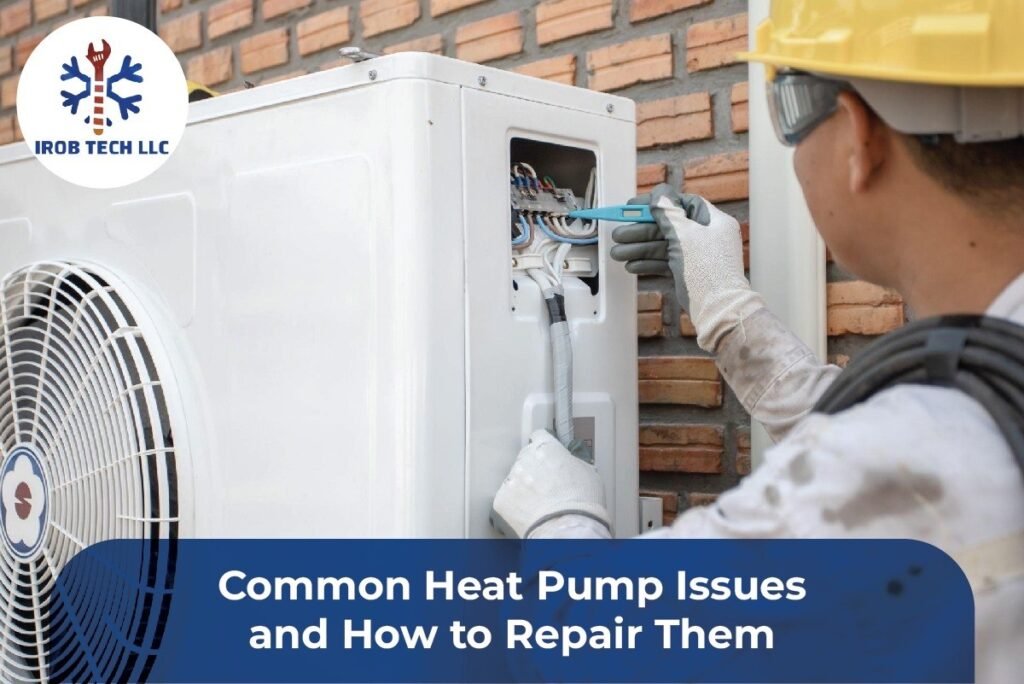
Heat pumps are an essential part of many homes, providing year-round comfort by heating in the winter and cooling in the summer. However, like any HVAC system, they can experience problems over time. Understanding common issues and knowing how to respond can save you money, prevent further damage, and ensure your home remains comfortable. Whether it’s a heat pump not heating or inconsistent performance, early identification and proper repair are key.
Many homeowners rely on HVAC heat pump maintenance to keep their systems running efficiently, yet problems can still arise unexpectedly. From minor fixes like cleaning filters to more complex repairs that require professional intervention, knowing what to check and when to call for help is crucial. With practical heat pump repair tips and effective heat pump troubleshooting, you can address common issues before they turn into costly repairs.
Why Heat Pumps Fail: Common Causes
Heat pumps may stop performing optimally for several reasons. One of the most frequent causes is dirty or clogged air filters. Over time, dust and debris accumulate, restricting airflow and causing the system to work harder than necessary. This can lead to the heat pump not heating effectively in the winter and the heat pump not cooling properly in the summer.
Another common culprit is refrigerant issues. Low refrigerant levels or leaks can reduce system efficiency and make it difficult for your heat pump to maintain the desired temperature. Regular HVAC heat pump maintenance and timely professional inspections are vital to catch these issues early and prevent major failures.
Heat Pump Troubleshooting Basics
Effective heat pump troubleshooting begins with checking the thermostat settings. Incorrect settings can sometimes be the cause of perceived heating or cooling problems. Ensure the system is set to the appropriate mode heat during winter and cool during summer and verify that the temperature settings are correct.
Next, inspect air filters and vents. Blocked or dirty filters can restrict airflow, reduce efficiency, and strain your system. Replacing filters regularly and clearing debris around vents is one of the simplest ways to maintain performance. Additionally, checking outdoor units for obstructions such as leaves or debris ensures optimal airflow.
Addressing Heat Pump Not Heating
If your heat pump not heating, several factors could be at play. Dirty coils, low refrigerant, or a malfunctioning reversing valve can all interfere with heating efficiency. Start with routine HVAC heat pump maintenance, such as cleaning coils and replacing filters, to rule out simple issues.
For more complex problems, like refrigerant leaks or valve failures, calling a professional is recommended. Air conditioning services or licensed technicians can diagnose and fix these issues safely, ensuring your home stays warm without risking further damage to the system.
Resolving Heat Pump Not Cooling
A heat pump not cooling can be just as frustrating, especially during hot summer months. Common causes include blocked outdoor units, dirty coils, and low refrigerant. Performing regular cleaning and heat pump troubleshooting can resolve minor problems and improve efficiency.
If the cooling issue persists, professional intervention may be necessary. Services like air conditioning repair ensure the system is recharged, repaired, and optimized. Additionally, checking ductwork for leaks or blockages helps maintain even cooling throughout your home.
Noise and Vibration Issues
Unusual sounds or vibrations in your heat pump can indicate underlying problems. Loose components, worn fan motors, or debris in the outdoor unit may create rattling, humming, or buzzing noises. Addressing these promptly prevents further damage.
Regular HVAC heat pump maintenance includes inspecting and tightening components, lubricating moving parts, and ensuring the fan operates smoothly. This not only reduces noise but also prolongs the system’s lifespan and maintains efficient operation.
Seasonal Maintenance Tips
Proper maintenance throughout the year is crucial. Seasonal check-ups should include heat pump repair tips like filter replacement, coil cleaning, and checking refrigerant levels. Before winter, ensure your system can provide adequate heat, and before summer, confirm optimal cooling performance.
Scheduling professional inspections during seasonal transitions ensures early detection of potential issues. Incorporating services like indoor air quality services and Air quality testing can further improve your home’s comfort and health.
DIY Maintenance Tips
Homeowners can take simple steps to maintain their heat pumps between professional visits. Regularly changing air filters, keeping the area around outdoor units clear, and checking thermostat settings are effective DIY measures.
These actions complement professional services, prevent minor issues from escalating, and improve heat pump troubleshooting efficiency. Small, consistent efforts help maintain system performance and indoor comfort year-round.
Final Thought
A well-maintained heat pump ensures year-round comfort, lower energy bills, and improved home efficiency. Understanding common heat pump issues and performing regular heat pump troubleshooting keeps your system operating at its best. Whether addressing a heat pump that is not heating or cooling, or performing routine HVAC heat pump maintenance, taking proactive steps saves money and prevents unexpected breakdowns. Combining professional services, such as air conditioning repair, air conditioning services, indoor air quality services, and Air quality testing, with simple DIY measures creates a safe, comfortable, and efficient home environment.
FAQs
Q: How often should I have my heat pump serviced?
A: At least once a year, ideally before seasonal changes, to ensure optimal performance.
Q: What are the signs my heat pump needs repair?
A: Common signs include insufficient heating or cooling, unusual noises, increased energy bills, or inconsistent temperatures.
Q: Can I perform heat pump repairs myself?
A: Simple maintenance, like filter replacement, is fine, but major repairs should be handled by professionals.
Q: How can I improve heat pump efficiency?
A: Regular HVAC heat pump maintenance, cleaning coils, and keeping ducts clear can significantly enhance efficiency.
Q: Are professional services necessary for refrigerant issues?
A: Yes. Handling refrigerant requires certification and expertise to ensure safety and system longevity.