When winter rolls in and temperatures start dropping, your furnace becomes the unsung hero of your home. You flip the thermostat, warm air flows through the vents, and everything feels comfortable. However, what most homeowners don’t realize is that this comfort doesn’t happen by accident. It’s the result of consistent care, smart planning, and proactive heating system maintenance.
Many people only think about their furnace when something goes wrong. Unfortunately, by that time, repairs can be expensive and inconvenient. Instead of waiting for a breakdown in the middle of a freezing night, understanding proper furnace maintenance can save you money, extend your system’s lifespan, and protect your family’s safety. Whether you prefer a practical, straightforward explanation or a more technical breakdown, this guide will walk you through the furnace maintenance tips every homeowner truly needs.
Why Furnace Maintenance Matters More Than You Think
Your furnace works hard during colder months. Over time, dust builds up, parts wear down, and airflow can become restricted. Without routine care, efficiency drops and energy bills increase. In addition, small issues can quietly turn into major repairs.
Formally speaking, routine heating system maintenance improves system efficiency, ensures safe combustion, and reduces mechanical strain. Informally? It keeps your home warm without surprise repair bills. A well-maintained furnace operates smoothly, distributes heat evenly, and uses less energy to achieve the same results.
Moreover, preventive care reduces the risk of carbon monoxide leaks and fire hazards. So, while maintenance might seem optional, it is actually one of the most important responsibilities of homeownership.
Start with a Furnace Inspection Checklist
Before winter begins, every homeowner should follow a basic furnace inspection checklist. This simple step ensures that your system is prepared for months of steady operation.
First, check for unusual noises. Rattling, banging, or squealing often indicates loose components or worn belts. Next, inspect visible wiring and connections for signs of wear. Additionally, make sure vents and registers remain unobstructed by furniture or debris.
From a technical standpoint, inspections identify airflow restrictions, combustion issues, and component wear. From a practical standpoint, they give you peace of mind. If you’re unsure about any findings, scheduling a professional annual furnace service is always a wise decision.
Replace Furnace Filter on Time
One of the easiest yet most overlooked tasks is to replace the furnace filter regularly. A dirty filter restricts airflow, forces the system to work harder, and reduces indoor air quality.
Experts recommend following a proper furnace filter replacement schedule, typically every one to three months, depending on usage and household conditions. Homes with pets or allergy sufferers may require more frequent changes.
Formally, clean filters improve airflow efficiency and reduce strain on the blower motor. Informally, they help your furnace breathe. When airflow improves, your home heats more evenly, and your energy bills stay manageable.
Schedule an Annual Furnace Service
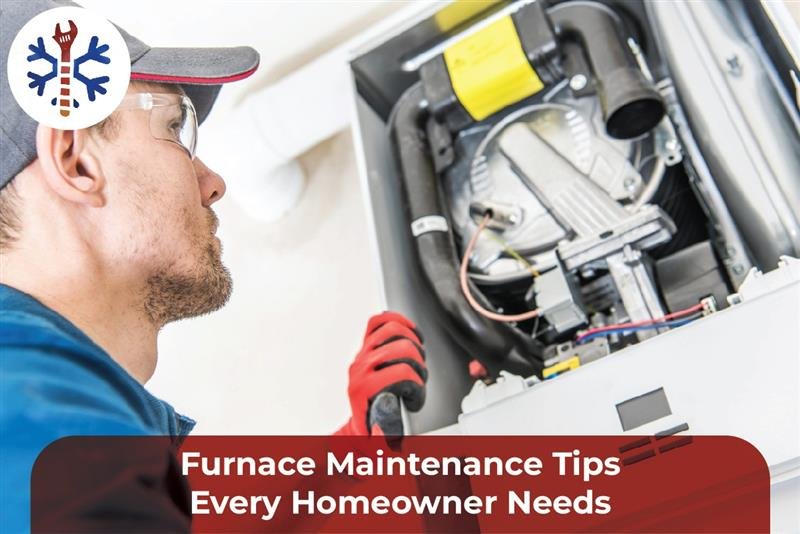
Even if your furnace appears to run fine, scheduling an annual furnace service is essential. During a professional furnace tune-up, technicians inspect internal components, test safety controls, and ensure proper combustion levels.
Technicians will also clean internal parts, tighten connections, and verify thermostat calibration. This process significantly reduces the risk of mid-season breakdowns. While DIY checks are helpful, certain tasks require professional expertise.
Think of it like a yearly health check-up for your heating system. You wouldn’t skip your doctor’s visit and expect perfect health. Similarly, skipping a furnace tune-up can lead to hidden issues that only show up when you need heat the most.
Clean Furnace Burners for Better Performance
Over time, dust and debris accumulate around burners. If you fail to clean furnace burners, combustion efficiency decreases, and uneven heating may occur.
Formally, burner cleaning ensures consistent flame patterns and safe fuel combustion. Informally, dirty burners make your furnace struggle. A professional technician will safely clean and inspect these components during maintenance.
Additionally, burner cleaning supports energy efficiency and lowers the likelihood of soot buildup. When your furnace burns fuel cleanly, it produces steady heat and minimizes safety risks.
Follow Essential HVAC Maintenance Tips
Although this article focuses on furnaces, broader HVAC maintenance tips apply year-round. For example, sealing duct leaks improves airflow and reduces energy waste. Likewise, checking thermostat accuracy ensures precise temperature control.
During warmer months, maintaining your cooling system is equally important. If your air conditioner shows signs of trouble, timely air conditioning repair prevents further damage. Comprehensive air condition services ensure both heating and cooling systems operate efficiently throughout the year.
By maintaining both systems, you protect your overall home comfort. In fact, combining furnace maintenance with routine inspections for cooling equipment creates a balanced, dependable climate control strategy.
Improve Indoor Air Quality While Maintaining Your Furnace
Your furnace doesn’t just heat air—it circulates it. Therefore, indoor air quality plays a major role in overall comfort. Dirty filters and clogged ducts allow allergens and pollutants to spread throughout your home.
Scheduling indoor air quality services alongside furnace maintenance ensures cleaner air circulation. Additionally, professional Air quality testing can identify hidden pollutants such as mold spores or excessive dust.
Formally, improved filtration and ventilation reduce airborne contaminants. Informally, cleaner air simply feels better. You breathe easier, experience fewer allergy symptoms, and enjoy a healthier home environment.
Watch for Warning Signs of Trouble
Even with proper maintenance, you should remain alert for warning signs. Uneven heating, rising energy bills, short cycling, or unusual smells may indicate underlying issues.
For example, if your furnace frequently turns on and off, it could signal thermostat problems or airflow restrictions. Similarly, persistent rattling noises often suggest loose components.
Addressing small concerns quickly prevents costly breakdowns. In some cases, what starts as a minor issue can escalate into emergency repairs if ignored. Therefore, proactive action always pays off.
Extend Your Furnace’s Lifespan
Most furnaces last between 15 and 20 years. However, consistent heating system maintenance significantly increases longevity.
When you follow a structured furnace inspection checklist, replace filters on schedule, and schedule an annual furnace service, you reduce internal strain. Components last longer, performance remains steady, and efficiency stays high.
In the long run, proper maintenance delays expensive replacements. That alone makes routine care one of the smartest financial decisions homeowners can make.
Frequently Asked Questions
1. How often should I schedule a furnace tune-up?
You should schedule a professional furnace tune-up once a year, ideally before winter begins.
2. How often should I replace furnace filter?
Most homeowners should replace furnace filter every 1–3 months, depending on usage and air quality.
3. What happens during an annual furnace service?
Technicians inspect internal parts, clean components, test safety systems, and ensure proper combustion.
4. Can furnace maintenance improve indoor air quality?
Yes. Clean filters and professional indoor air quality services significantly reduce airborne pollutants.
5. Is furnace maintenance really necessary if my system works fine?
Absolutely. Preventive maintenance prevents unexpected breakdowns and improves efficiency.
Final Thoughts: Stay Warm, Stay Safe, Stay Prepared
Your furnace plays a vital role in keeping your home safe and comfortable during cold months. However, comfort doesn’t happen automatically. It requires consistent care, smart scheduling, and attention to detail.
By following essential HVAC maintenance tips, scheduling a yearly furnace tune-up, using a reliable furnace inspection checklist, and sticking to a proper furnace filter replacement schedule, you protect your home and your budget.
Don’t wait for freezing temperatures to remind you about maintenance. Take action today. Schedule your annual furnace service, improve your indoor air quality, and ensure your heating system runs smoothly all season long. A little preparation now saves major stress later.