Breathing clean air at home is more than a comfort—it’s essential for your health. Poor indoor air quality can trigger allergies, respiratory problems, and even long-term health issues. Fortunately, there are several effective strategies to improve indoor air quality and keep your home environment safe and healthy. From air purifiers for home use to HVAC air quality maintenance, these solutions help reduce indoor pollutants, allergens, and contaminants, creating a fresher, cleaner space for you and your family.
1. Ensure Adequate Ventilation
Proper ventilation is the first step toward clean indoor air. Opening windows, using exhaust fans in bathrooms and kitchens, and incorporating home ventilation solutions can significantly improve airflow.
Controlled ventilation helps circulate fresh air and remove indoor pollutants. This simple step also supports indoor pollution control by reducing the buildup of stale air, odors, and contaminants.
2. Use High-Quality Air Purifiers
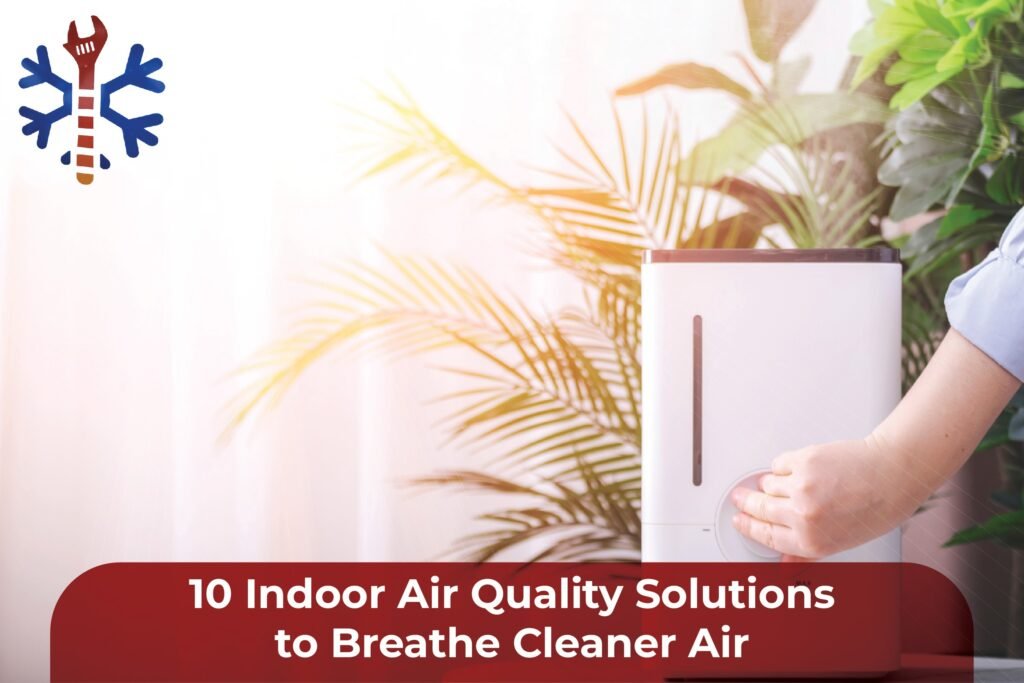
Air purifiers for home use are one of the most effective indoor air quality solutions. HEPA filters capture dust, pollen, and pet dander, while activated carbon filters trap odors and VOCs.
Adding an air purifier in rooms where you spend the most time ensures consistent clean indoor air. This solution is particularly helpful for households with allergy sufferers or small children.
3. Regular Home Air Filtration
Home air filtration through HVAC systems or standalone filters helps remove airborne contaminants. Ensure your HVAC system’s filters are cleaned or replaced regularly as part of routine air quality maintenance.
Proper filtration reduces indoor allergens and contributes to overall indoor pollution control. It also improves the efficiency of your HVAC system, saving energy and prolonging its lifespan.
4. Control Humidity Levels
Maintaining humidity between 40% and 60% prevents mold growth and minimizes dust mites. Use dehumidifiers in damp areas and monitor indoor humidity regularly for optimal comfort.
Controlling humidity is a key component of indoor air quality solutions, helping reduce home AC system issues while promoting a healthier indoor environment.
5. Introduce Indoor Plants
Certain indoor plants like peace lilies, spider plants, and snake plants naturally purify the air by absorbing toxins. Incorporating greenery adds both aesthetic value and cleaner air.
Indoor plants complement HVAC air quality and filtration efforts. They are an eco-friendly solution to improve indoor air quality while enhancing your living space.
6. Limit Chemical Pollutants
Reduce the use of chemical cleaners, air fresheners, and candles with synthetic fragrances. Opt for natural alternatives like vinegar, baking soda, and essential oils.
Limiting chemicals helps prevent the buildup of VOCs in your home. This strategy is a simple but effective indoor air quality solution for healthier breathing.
7. Regular HVAC Maintenance
Scheduling professional HVAC maintenance ensures that your heating, ventilation, and air conditioning system operates efficiently. Clean or replace filters, inspect ducts, and check for airflow issues.
Regular HVAC air quality maintenance addresses common indoor pollutants, reduces indoor allergens, and prevents more serious home AC problems over time.
8. Monitor Indoor Air Quality
Indoor air quality monitoring provides real-time insights into pollution levels, humidity, and particulate matter. Professional or smart monitors can alert you to potential problems early.
Tracking your indoor environment supports proactive solutions, from filtration upgrades to ventilation adjustments, ensuring a consistently clean indoor space.
9. Keep Smoking Outdoors
Smoking indoors releases harmful chemicals that significantly degrade indoor air quality. Encourage smoking outside to prevent contaminants from circulating in your home.
This step is crucial for households with children or elderly residents, as it directly impacts health and reduces the risk of indoor pollution-related problems.
10. Conduct Regular Cleaning
Regular dusting, vacuuming with HEPA filters, and mopping remove dust, pet hair, and allergens. Focus on carpets, upholstery, and frequently used areas to maintain clean indoor air.
Consistent cleaning complements other indoor air quality solutions, creating a comprehensive approach to maintaining a healthy home environment.
Final Thoughts
Improving indoor air quality is essential for a healthier, more comfortable home. By combining air purifiers for home use, regular HVAC air quality maintenance, humidity control, and proactive indoor pollution control strategies, you can breathe cleaner air every day. Monitoring, cleaning, and using natural solutions like indoor plants further enhance your indoor environment. Prioritizing these indoor air quality solutions ensures the well-being of your family while maintaining a fresh and inviting home.
FAQs
Q: How often should I replace HVAC filters?
A: Typically every 1–3 months, depending on usage and household conditions.
Q: Can air purifiers eliminate indoor pollutants?
A: While they greatly reduce airborne particles and VOCs, combining purifiers with ventilation and filtration offers the best results.
Q: Are indoor plants effective for improving air quality?
A: Yes, certain plants absorb toxins, but they work best alongside other indoor air quality solutions.
Q: How do I know if my home has poor indoor air quality?
A: Signs include frequent allergy symptoms, unusual odors, high humidity, or dust buildup. Professional IAQ monitoring can confirm issues.