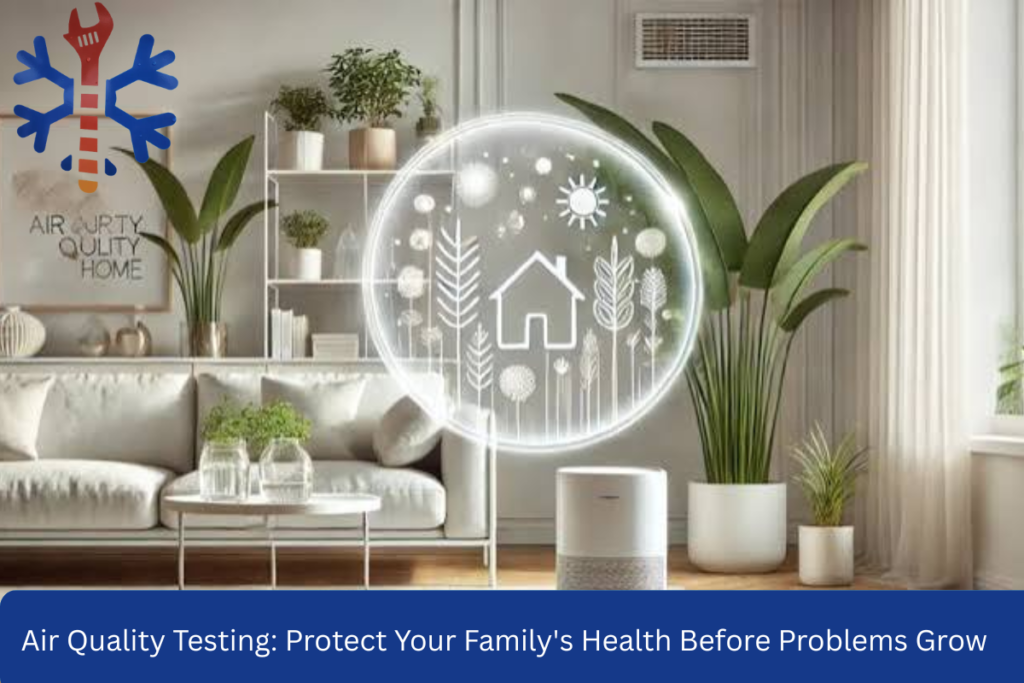
The air inside your home may look clean, but appearances can be deceiving. Every day, families are exposed to invisible particles that can affect their comfort and well-being. Dust, mold spores, pet dander, volatile organic compounds (VOCs), and other indoor air pollutants often circulate through your home without being noticed. Over time, these contaminants can contribute to allergies, respiratory irritation, headaches, and unpleasant odors, making your living environment less comfortable than it should be.
Fortunately, air quality testing provides a reliable way to uncover hidden problems before they become serious. Whether you’re experiencing unexplained allergy symptoms, recently completed a home renovation, or simply want peace of mind, testing your home’s air can reveal what’s really circulating through your indoor spaces. Combined with proper HVAC maintenance and improved ventilation, testing helps create a healthier, cleaner, and safer home for everyone. In this guide, we’ll explain why professional air quality testing matters, what it detects, and how it helps protect your family’s health for years to come.
Why Indoor Air Quality Matters More Than You Think
Many homeowners focus on outdoor pollution while overlooking the air they breathe indoors every day. Surprisingly, indoor air can sometimes contain higher concentrations of pollutants than outdoor air because contaminants become trapped inside tightly sealed homes.
Poor indoor air quality can affect people differently depending on age and health conditions. Children, older adults, and individuals with asthma or allergies are often more sensitive to airborne contaminants. Even healthy individuals may experience dry eyes, headaches, fatigue, congestion, or frequent sneezing when exposed to poor indoor air for extended periods.
Your home’s heating and cooling equipment also plays an important role in maintaining clean air. A properly maintained HVAC air quality system filters airborne particles while circulating conditioned air throughout the home. However, if filters become dirty or ducts accumulate contaminants, the system may spread pollutants instead of removing them.
Understanding what’s in your home’s air is the first step toward creating a healthy indoor environment where your family can breathe comfortably every season.
What Is Air Quality Testing?
Air quality testing is the process of evaluating the air inside your home to identify harmful contaminants that may affect health and comfort. Unlike guessing based on symptoms alone, testing provides measurable information about what’s present in your indoor environment.
A professional technician uses specialized equipment to collect air samples, measure humidity, detect airborne particles, and evaluate ventilation performance. Depending on your home’s condition, the testing process may also include mold testing, VOC testing, and an overall air quality inspection.
The results help identify issues such as excessive moisture, mold spores, chemical emissions, airborne allergens, and inadequate airflow. Once the source of the problem is identified, your HVAC professional can recommend effective solutions that improve both comfort and safety.
Rather than treating symptoms without knowing the cause, testing provides homeowners with clear answers and practical recommendations for improving indoor air quality.
Common Indoor Air Pollutants Found in Homes
Many harmful contaminants are completely invisible, which is why homeowners often don’t realize they’re present until symptoms begin appearing. Fortunately, professional air quality testing can detect many of the most common pollutants affecting residential properties.
One of the biggest concerns is mold testing. Mold thrives in damp environments such as basements, crawl spaces, bathrooms, and around leaking pipes. As mold spores become airborne, they may trigger allergies, respiratory irritation, and unpleasant odors throughout the home.
Another important part of testing involves VOC testing. Volatile Organic Compounds are chemicals released from products like fresh paint, flooring, furniture, cleaning supplies, adhesives, and certain building materials. Although these products may seem harmless, prolonged exposure to elevated VOC levels can reduce indoor comfort and contribute to headaches or irritation.
In addition, allergens in the home such as dust mites, pollen, pet dander, and airborne dust particles can circulate continuously through your HVAC system. These allergens often worsen seasonal allergies and asthma symptoms, particularly when air filters are not changed regularly.
Understanding these indoor air pollutants allows homeowners to make informed decisions that improve both air quality and overall home health.
Signs Your Home May Need Professional Air Quality Testing
Sometimes poor air quality develops gradually, making it difficult to recognize the warning signs. However, several common indicators suggest it’s time to schedule professional air quality testing.
If family members frequently experience coughing, sneezing, watery eyes, headaches, or sinus irritation while indoors—but feel better after leaving the house—your home’s air may contain elevated pollutant levels. Persistent allergy symptoms without a clear seasonal cause are another strong indicator that an air quality inspection may be beneficial.
You should also consider testing if you’ve recently completed home renovations. New flooring, paint, cabinetry, insulation, and furniture often release VOCs into the air for weeks or even months after installation. Testing helps determine whether these emissions are affecting your home’s indoor air quality.
Visible mold growth, musty odors, excessive humidity, or recurring condensation around windows may also signal hidden moisture problems. Since mold often grows behind walls or beneath flooring, mold testing can identify contamination before it spreads further.
Additionally, if your HVAC system hasn’t been serviced recently or airflow feels uneven between rooms, reduced HVAC air quality may contribute to airborne contaminants circulating throughout your home.
How Professional Air Quality Testing Protects Your Family
One of the greatest advantages of professional air quality testing is early detection. Instead of waiting until health symptoms worsen or visible damage appears, homeowners can identify hidden problems before they become expensive or difficult to correct.
Testing also helps eliminate unnecessary guesswork. Rather than purchasing multiple air purifiers or replacing equipment without knowing the actual issue, you receive accurate information about the contaminants affecting your home. This allows HVAC professionals to recommend targeted solutions that address the source of the problem rather than simply masking symptoms.
Most importantly, improving indoor air quality supports long-term wellness. Cleaner air can contribute to better sleep, reduced allergy flare-ups, improved respiratory comfort, and a more enjoyable living environment for every member of the household. Combined with routine HVAC maintenance and regular filter changes, air quality testing becomes an essential part of maintaining a healthier home.
What Happens During an Air Quality Inspection?
Scheduling an air quality inspection is a straightforward process, and most homeowners are surprised by how informative it can be. The goal isn’t just to identify pollutants—it’s to understand where they’re coming from and how they can be reduced.
During the appointment, an HVAC professional evaluates your home’s ventilation, humidity levels, airflow, and overall HVAC air quality. They may inspect air ducts, filters, vents, and other components of your heating and cooling system to determine whether they are contributing to poor indoor air conditions.
Specialized equipment is then used to collect air samples and measure contaminant levels. Depending on your home’s needs, the inspection may include mold testing, VOC testing, and checks for airborne particles such as dust, pollen, and allergens in the home. In some cases, surface samples may also be collected if mold growth is suspected.
After testing is complete, you’ll receive a detailed explanation of the findings along with practical recommendations. Instead of offering one-size-fits-all solutions, professionals develop a plan based on your home’s unique air quality challenges.
How to Improve Indoor Air Quality After Testing
Once your air quality testing results are available, the next step is taking action. Fortunately, many indoor air issues can be improved through simple changes combined with professional HVAC services.
One of the most effective solutions is replacing HVAC filters regularly. Clean filters capture dust, pollen, pet dander, and other indoor air pollutants before they circulate throughout your home. Upgrading to high-efficiency filters may provide even greater protection for families with allergies or asthma.
Improving ventilation is another important step. Opening windows when weather allows, using exhaust fans in kitchens and bathrooms, and maintaining balanced airflow all help reduce airborne contaminants. If testing reveals elevated humidity levels, installing a dehumidifier may also help prevent mold growth.
Your HVAC contractor may also recommend air purification systems, UV air cleaners, or duct cleaning if contaminants have accumulated within the system. Combined with routine maintenance, these improvements create a healthy indoor environment that supports better comfort and cleaner air year-round.
DIY Testing vs. Professional Air Quality Testing
Many homeowners wonder whether a store-bought air quality kit can provide the same results as professional testing. While DIY kits can offer basic information, they typically detect only a limited range of pollutants and may not provide the detailed analysis needed to identify underlying problems.
Professional testing goes much further. Certified technicians use advanced equipment to evaluate multiple aspects of indoor air quality, including humidity, airborne particles, chemical pollutants, mold spores, and ventilation performance. This comprehensive approach delivers more accurate and reliable results.
Another advantage of professional air quality testing is expert interpretation. Instead of simply receiving numbers on a report, you’ll understand what those findings mean and what steps should be taken next. This guidance helps homeowners invest in solutions that actually improve air quality rather than relying on guesswork.
Although DIY kits may be useful for general awareness, professional testing provides the confidence and accuracy needed to protect your family’s health and your home’s indoor environment.
Why Routine Air Quality Testing Is a Smart Investment
Many homeowners only think about air quality after experiencing allergies or noticing unpleasant odors. However, making air quality testing part of your regular home maintenance routine offers long-term benefits that extend beyond immediate comfort.
Routine testing helps identify developing issues before they become costly repairs. Detecting moisture problems early, for example, may prevent mold from spreading throughout walls, ceilings, or insulation. Similarly, identifying chemical pollutants or ventilation issues allows homeowners to make corrections before they impact health or indoor comfort.
Regular evaluations also improve the performance of your HVAC system. Cleaner airflow, balanced humidity, and reduced airborne contaminants help your heating and cooling equipment operate more efficiently. Over time, this can contribute to improved energy performance, reduced wear on HVAC components, and a more comfortable living environment.
By viewing air quality as an essential part of home maintenance rather than an occasional concern, homeowners can enjoy greater peace of mind while protecting both their investment and their family’s well-being.
Frequently Asked Questions
What is air quality testing?
Air quality testing evaluates the air inside your home to detect pollutants such as mold spores, VOCs, dust, allergens, and other contaminants that may affect health and comfort.
How often should indoor air quality be tested?
Most experts recommend testing every two to five years, or sooner if you notice allergy symptoms, musty odors, excessive humidity, or after major home renovations.
What does professional air quality testing detect?
Professional air quality testing can identify indoor air pollutants including mold spores, VOCs, dust, pollen, pet dander, humidity problems, and ventilation issues.
Is mold testing included with air quality testing?
Many HVAC companies offer mold testing as part of a comprehensive air quality inspection, especially if moisture problems or mold growth are suspected.
Why is VOC testing important?
VOC testing helps identify airborne chemicals released from paints, furniture, flooring, cleaning products, and building materials that may reduce indoor air quality.
Can HVAC systems improve indoor air quality?
Yes. A properly maintained system supports better HVAC air quality by filtering airborne contaminants, controlling humidity, and improving ventilation throughout your home.
Who should consider an air quality inspection?
Families with allergies, asthma, young children, elderly residents, pets, or recent home renovations can benefit greatly from a professional air quality inspection.
Final Thoughts
The quality of the air inside your home directly affects your family’s comfort, health, and overall well-being. While many indoor air pollutants remain invisible, their effects can become noticeable over time through allergies, respiratory irritation, unpleasant odors, or ongoing discomfort. That’s why investing in air quality testing is one of the smartest steps homeowners can take.
A professional evaluation provides valuable insight into your home’s environment by identifying hidden issues such as mold spores, VOCs, poor ventilation, and allergens in the home. More importantly, it offers practical solutions that help create a healthy indoor environment for everyone under your roof.
Whether you’re addressing existing concerns or taking a proactive approach to home maintenance, professional air quality testing delivers peace of mind and long-term value. Combined with regular HVAC maintenance and improved ventilation, it helps ensure cleaner air, greater comfort, and a healthier home for years to come.