When your AC suddenly stops cooling, it feels like the whole house turns into an oven within minutes. One moment you’re enjoying cool comfort, and the next you’re dealing with warm, stale air blowing through your vents. It’s frustrating, especially during peak summer heat when you rely on your system the most. The good news is that most cooling problems don’t happen randomly—they usually come from a few common issues that can be diagnosed and fixed.
Before you panic and assume your entire system has failed, it’s important to understand what’s really going on. Many homeowners jump to conclusions like replacing the unit, when in reality the issue might be something simple like a dirty filter or incorrect thermostat setting. In this guide, we’ll break down the most common reasons behind an air conditioner not cooling problem, explain how to identify them, and help you understand when it’s time to call professional air conditioner repair services.
Whether you’re dealing with weak airflow, warm air, or a complete system shutdown, this AC not cooling troubleshooting guide will walk you through the most likely causes step by step. Let’s dive in and bring that cool air back.
Dirty Air Filters Blocking Proper Airflow
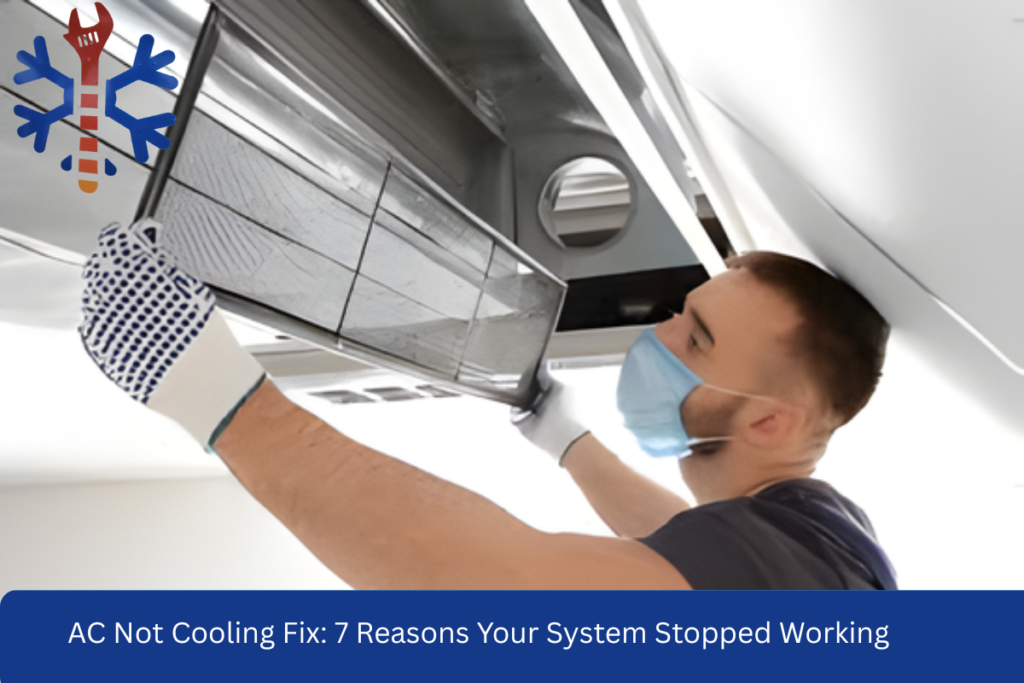
One of the most overlooked causes of cooling issues is a clogged air filter. When filters get dirty, they restrict airflow and force your system to work harder than necessary. As a result, you may experience weak cooling or even an AC blowing warm air fix situation.
Over time, dust, pet hair, and debris build up in the filter, reducing efficiency. This can also lead to frozen coils and increased energy bills. In many cases, homeowners don’t realize how much a simple filter affects performance until the problem becomes serious.
Replacing or cleaning your air filter regularly is one of the easiest solutions in any central AC not cooling situation. It’s quick, inexpensive, and often restores cooling immediately.
Thermostat Not Working or Set Incorrectly
Sometimes the problem isn’t the AC unit itself—it’s the thermostat. A thermostat not working properly or incorrect settings can completely disrupt your cooling system.
If the thermostat is set to “fan” instead of “cool,” you may feel air circulation without actual cooling. Additionally, low batteries or calibration issues can cause inaccurate temperature readings, making your system behave unpredictably.
In many HVAC system not working cases, simply resetting or replacing the thermostat batteries solves the issue instantly. However, if the problem continues, professional inspection may be needed.
Refrigerant Leak Symptoms That Should Not Be Ignored
Refrigerant is the lifeblood of your AC system. Without it, your unit cannot cool air effectively. One of the major refrigerant leak symptoms includes warm air blowing from vents even when the system is running.
You might also notice ice buildup on the evaporator coils or hissing sounds near the unit. These are strong signs that refrigerant levels are low or leaking. Unfortunately, this is not a DIY fix and requires professional attention.
Ignoring refrigerant issues can lead to severe system damage and higher repair costs. That’s why early detection is crucial in preventing a complete breakdown.
AC Compressor Not Working or Failing
The compressor is often called the heart of your air conditioning system. If the AC compressor not working, your system will not cool air at all.
A failing compressor may cause clicking noises, frequent shutdowns, or warm air circulation. In some cases, electrical issues or overheating can trigger compressor failure.
Because the compressor is a complex and expensive component, it’s best to call professionals if you suspect this issue. Quick diagnosis can sometimes save the entire system from replacement.
Dirty Coils and Airflow Restriction Issues
When condenser or evaporator coils become dirty, your AC struggles to transfer heat properly. This leads to reduced cooling efficiency and uneven temperatures throughout your home.
Combined with airflow restriction AC problems, dirty coils can significantly impact performance. Dust buildup acts as insulation, preventing proper heat exchange.
Regular maintenance, including coil cleaning, helps restore cooling efficiency and prevents long-term damage. This is one of the most common causes behind air conditioner not cooling problem complaints.
Duct Leakage Problems Reducing Cooling Efficiency
If your ducts are leaking, cooled air escapes before it reaches your rooms. This results in weak airflow and uneven cooling throughout your home.
Duct leakage problems are often hidden inside walls or ceilings, making them difficult to detect without professional inspection. You may notice some rooms feel cooler than others, or your system runs longer than usual.
Sealing ductwork improves efficiency and ensures your system delivers consistent cooling where it’s needed most.
Outdoor Unit Not Running or Blocked
Your outdoor unit plays a critical role in releasing heat from your home. If the outdoor unit not running, your system cannot function properly.
Common causes include tripped breakers, debris blocking airflow, or electrical faults. Sometimes, leaves or dirt buildup can prevent the fan from spinning correctly.
Keeping the outdoor unit clean and clear of obstructions helps maintain proper system performance and prevents overheating issues.
AC Electrical Issues and System Failure
Electrical problems are another common reason behind cooling failures. Faulty wiring, blown fuses, or capacitor issues can lead to sudden shutdowns.
These AC electrical issues often require professional diagnosis because they involve high-voltage components. Attempting repairs without proper knowledge can be dangerous.
If your system randomly turns off or refuses to start, electrical inspection should be your next step.
When to Call Professional HVAC Experts
While some issues can be fixed with basic maintenance, others require expert attention. If your system continues to show HVAC system not working signs after troubleshooting, it’s time to call professionals.
Certified technicians can quickly identify hidden problems and restore cooling efficiently. They also ensure long-term performance by addressing root causes instead of temporary fixes.
Professional air conditioner repair services not only fix the issue but also help prevent future breakdowns.
FAQs
Why is my AC running but not cooling?
This usually happens due to dirty filters, refrigerant issues, thermostat errors, or compressor problems.
Can I fix an AC not cooling problem myself?
Simple issues like filters or thermostat settings can be fixed, but major repairs require professionals.
How do I know if my AC has a refrigerant leak?
Signs include warm air, ice buildup, and reduced cooling performance.
What causes weak airflow in AC systems?
Clogged filters, duct leaks, and airflow restriction AC issues are common causes.
When should I call an HVAC technician?
If basic troubleshooting fails or you suspect compressor or electrical issues, call a professional immediately.
Final Thoughts
An AC that stops cooling doesn’t always mean a major breakdown. In most cases, the issue comes from simple, fixable problems like filters, thermostats, or airflow restrictions. By understanding these AC not cooling troubleshooting steps, homeowners can save both time and money.
However, when problems involve refrigerant leaks, compressors, or electrical faults, professional help becomes essential. Regular maintenance and timely repairs ensure your system runs efficiently throughout the year.
Ultimately, staying proactive is the best way to avoid unexpected breakdowns and keep your home comfortable even during the hottest days.