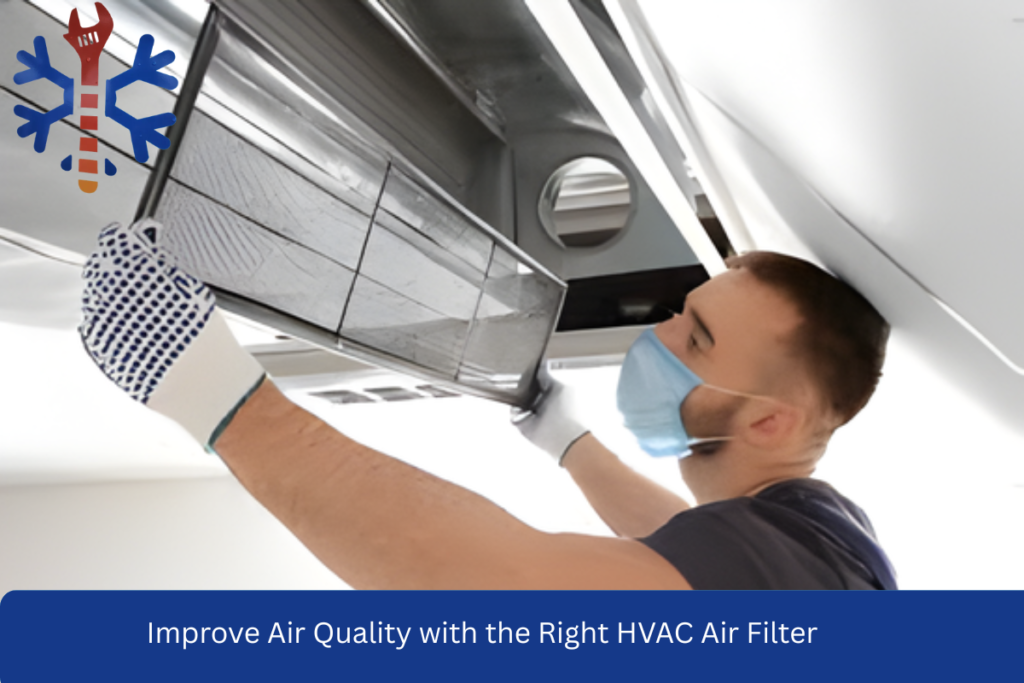
Clean air inside your home isn’t just a luxury—it’s essential for your health, comfort, and peace of mind. While most homeowners focus on temperature control, they often overlook one of the simplest ways to achieve indoor air quality improvement: choosing the right HVAC air filter. Your HVAC system does more than heat or cool your space; it actively circulates the air you breathe every single day. That means the quality of your air filter directly affects how clean—or polluted—your indoor environment becomes.
Now, here’s the good news. With the right knowledge, you can dramatically reduce dust in home, minimize allergens in indoor air, and boost your HVAC system efficiency without spending a fortune. Whether you’re dealing with pet dander, seasonal allergies, or just want fresher air, this guide will walk you through everything you need to know. So let’s break it down step by step and help you make a smarter, healthier choice for your home.
Why HVAC Air Filters Matter More Than You Think
Most people think of HVAC filters as simple dust catchers. However, they actually play a crucial role in protecting both your health and your HVAC system. When air passes through your system, the filter traps contaminants like dirt, pollen, and even microscopic particles. As a result, your indoor air becomes cleaner and safer to breathe.
On the other hand, ignoring your air filter can lead to serious issues. Dirty filters allow air pollution indoors to increase, forcing your HVAC system to work harder. Consequently, this reduces energy efficiency and increases your utility bills. Over time, poor filtration can even damage your system, leading to costly repairs.
Understanding Different HVAC Filter Types
When it comes to HVAC filter types, not all filters are created equal. In fact, each type serves a different purpose depending on your needs. Fiberglass filters, for example, are affordable but offer minimal filtration. Meanwhile, pleated filters provide better performance by capturing smaller particles.
Additionally, high-efficiency filters like HEPA (High-Efficiency Particulate Air) are designed to trap up to 99.97% of airborne particles. Therefore, they’re ideal for households dealing with allergies or respiratory issues. Understanding these options helps you choose the best air filters for home use based on your specific situation.
MERV Ratings Explained: Choose the Right Level
One of the most important factors in selecting a filter is the MERV rating chart. MERV (Minimum Efficiency Reporting Value) measures how effectively a filter captures particles. Ratings typically range from 1 to 20, with higher numbers indicating better filtration.
For most homes, a MERV rating between 8 and 13 strikes the perfect balance between filtration and airflow. While higher ratings can improve indoor air quality improvement, they may restrict airflow if your system isn’t designed for them. Therefore, always check your HVAC system’s compatibility before upgrading.
HEPA vs Pleated Filters: Which One Wins?
The debate between HEPA vs pleated filters often comes down to performance versus practicality. HEPA filters offer superior filtration, capturing even the tiniest pollutants. However, they may not be compatible with all residential HVAC systems due to airflow restrictions.
In contrast, pleated filters provide a great balance of efficiency and affordability. They effectively trap dust, pollen, and pet dander without overburdening your system. For most homeowners, pleated filters are a practical choice that still delivers excellent results.
How Air Filters Improve HVAC System Efficiency
A clean air filter doesn’t just improve air quality—it also enhances your system’s performance. When airflow is unobstructed, your HVAC system operates more efficiently, reducing energy consumption. As a result, you save money on your monthly bills.
Conversely, clogged filters force your system to work harder, leading to wear and tear. Over time, this reduces the lifespan of your unit. By investing in an energy efficient air filter and following regular hvac maintenance tips, you can keep your system running smoothly for years.
When and How to Replace Your Air Filter
Regular air filter replacement is essential for maintaining clean air and system efficiency. Most experts recommend changing your filter every 1–3 months, depending on usage and environmental factors. Homes with pets or allergies may require more frequent changes.
The process itself is simple. First, turn off your HVAC system. Then, remove the old filter and check its size before installing a new one. Whether it’s an ac filter replacement or part of your routine maintenance, staying consistent ensures optimal performance.
Choosing the Best Air Filters for Your Home
Selecting the best air filters for home use depends on your lifestyle and needs. For example, if you have pets, look for filters designed to capture pet dander. If allergies are a concern, opt for higher MERV ratings or advanced filtration systems.
Additionally, consider factors like filter size, lifespan, and compatibility with your system. By making an informed choice, you can significantly improve air quality while maintaining proper airflow. This balance is key to long-term comfort and efficiency.
Extra Tips to Boost Indoor Air Quality
While air filters play a major role, they’re just one part of the equation. To further enhance air quality, consider adding air purifiers or improving ventilation in your home. These steps work alongside your HVAC system to reduce contaminants.
Moreover, regular cleaning and maintenance are essential. Dusting, vacuuming, and following proper furnace filter types guidelines can make a noticeable difference. Together, these efforts create a healthier and more comfortable living environment.
Common Mistakes to Avoid
Many homeowners make simple mistakes that reduce the effectiveness of their HVAC filters. For instance, choosing the wrong size or ignoring replacement schedules can lead to poor performance. Additionally, using overly restrictive filters can harm airflow.
Another common issue is neglecting routine maintenance. Without proper care, even the best filters won’t deliver optimal results. Therefore, staying proactive and informed is crucial for achieving the best outcomes.
FAQs About HVAC Air Filters
1. How often should I change my HVAC air filter?
Most filters should be replaced every 1–3 months, depending on usage and air quality conditions.
2. What MERV rating is best for home use?
A MERV rating between 8 and 13 is ideal for most residential systems.
3. Do air filters really help with allergies?
Yes, high-quality filters can significantly reduce allergens in indoor air like pollen and pet dander.
4. Can a dirty filter increase energy bills?
Absolutely. A clogged filter reduces airflow, forcing your system to use more energy.
5. Are HEPA filters worth it?
They are highly effective but may not be compatible with all HVAC systems.
Final Thoughts
Improving your home’s air quality doesn’t have to be complicated. By choosing the right HVAC air filter and maintaining it properly, you can enjoy cleaner air, better health, and improved system performance. Small changes, like regular air filter replacement and selecting the right filter type, can make a big difference.
So, if you’re ready to breathe easier and create a healthier living space, start with your HVAC air filter. It’s a simple step—but one that delivers powerful results.