The air inside your home or business plays a major role in comfort, health, and energy efficiency. While most people focus on heating and cooling equipment, ventilation is often overlooked until noticeable problems begin to appear. Unfortunately, poor ventilation can affect everything from your health to your utility bills.
A properly functioning ventilation system removes stale air, controls moisture levels, and helps maintain a healthy indoor environment. However, when the system starts struggling, indoor air can quickly become uncomfortable and unhealthy. Many property owners assume these issues will resolve themselves, but they often worsen over time.
Whether you’re dealing with lingering odors, excess moisture, or unexplained allergy symptoms, recognizing the early signs can help you avoid expensive repairs and maintain better indoor comfort. Understanding when to seek professional ventilation services is the first step toward protecting your property and improving your indoor air quality.
In this guide, we’ll explore the most common warning signs that indicate your ventilation system may need expert attention and explain why professional care makes a significant difference.
Your Home Feels Stuffy and Uncomfortable
One of the earliest signs of ventilation trouble is a constant feeling of stuffiness indoors. Even when your HVAC system appears to be working properly, rooms may feel heavy, stagnant, or uncomfortable. This often occurs because fresh air is not circulating effectively throughout the property.
When a ventilation system becomes inefficient, stale indoor air accumulates and fresh outdoor air cannot enter as intended. As a result, occupants may experience discomfort, fatigue, or difficulty concentrating. Over time, these conditions can affect both productivity and overall well-being.
Many homeowners mistake this issue for heating or cooling problems. However, poor airflow in home environments is frequently linked to ventilation deficiencies rather than HVAC equipment failure. A professional ventilation inspection can identify the root cause and recommend appropriate solutions.
Persistent Odors Refuse to Go Away
Every home experiences occasional odors from cooking, pets, or daily activities. However, when smells linger for hours or even days, your ventilation system may not be effectively removing contaminated air.
Ventilation systems are designed to exchange indoor and outdoor air while removing unwanted pollutants. If odors become trapped indoors, it may indicate blocked vents, malfunctioning exhaust systems, or inadequate air circulation issues throughout the building.
Persistent odors can also signal the presence of indoor air contaminants that remain suspended in the air. Professional ventilation repair services can restore proper airflow and eliminate odor-causing problems before they become more serious.
Rising Humidity and Moisture Problems
Another major warning sign is excess indoor humidity. While some moisture is normal, excessive humidity can create a variety of problems inside your property.
You may notice condensation forming on windows, damp walls, or a sticky feeling throughout your home. These conditions often indicate that your ventilation system is failing to remove moisture effectively. Without proper airflow, humidity levels continue to rise and create an unhealthy environment.
In addition to discomfort, excess moisture can damage building materials, furniture, and electronics. More importantly, high humidity levels significantly increase the risk of mold growth, making mold and mildew prevention much more difficult. Professional ventilation services help restore balanced airflow and moisture control.
Dust Accumulates Faster Than Normal
If you’re constantly dusting surfaces only to find them covered again a few days later, your ventilation system could be contributing to the problem.
A properly functioning ventilation system helps remove airborne particles and supports better indoor air circulation. When ventilation performance declines, dust buildup in home environments often becomes more noticeable because particles remain trapped indoors.
In many cases, excessive dust is accompanied by allergens in indoor air, which can worsen allergy symptoms and respiratory issues. A professional assessment can identify ventilation restrictions and improve filtration performance, leading to cleaner indoor spaces.
Allergy Symptoms Seem Worse Indoors
Have you noticed sneezing, coughing, headaches, or irritated eyes becoming more frequent while you’re indoors? Poor ventilation may be the hidden culprit.
Without adequate airflow, pollutants, allergens, and other contaminants accumulate inside the property. Instead of being removed through fresh air ventilation, these particles continuously circulate throughout living and working spaces.
This decline in indoor air quality can trigger allergy flare-ups and respiratory discomfort, especially among children, seniors, and individuals with existing health conditions. Investing in ventilation system maintenance can significantly improve comfort and support a healthier indoor environment for everyone.
Uneven Airflow Throughout the Property
Do some rooms feel comfortable while others remain hot, cold, or stuffy? Uneven temperatures often point to underlying air circulation issues.
A balanced ventilation system distributes fresh air evenly throughout the building. When vents become blocked, ducts develop problems, or mechanical components fail, airflow becomes inconsistent from one room to another.
Many property owners mistakenly assume this issue is strictly HVAC-related. However, HVAC ventilation problems frequently contribute to temperature imbalances. Professional technicians can evaluate your system and restore consistent airflow, improving both comfort and energy efficiency.
Mold and Mildew Are Starting to Appear
Few ventilation problems are more concerning than visible mold or mildew growth. These issues typically indicate long-term moisture accumulation caused by inadequate airflow.
Bathrooms, basements, kitchens, and laundry rooms are particularly vulnerable when ventilation systems fail to remove humid air effectively. Over time, mold can spread to walls, ceilings, insulation, and other surfaces.
Beyond property damage, mold exposure may affect respiratory health and indoor comfort. Effective mold and mildew prevention starts with controlling moisture levels and ensuring proper ventilation. A professional ventilation inspection can identify hidden issues before they become costly remediation projects.
Your Energy Bills Keep Increasing
Higher utility bills often signal more than just rising energy costs. In many cases, inefficient ventilation forces HVAC systems to work harder than necessary.
When airflow becomes restricted, heating and cooling equipment must operate longer to maintain desired temperatures. This increased workload leads to higher energy consumption and greater wear on system components.
Professional ventilation repair services can optimize airflow and improve system efficiency. As a result, you may notice reduced utility costs, enhanced comfort, and improved equipment longevity.
You Haven’t Scheduled Ventilation System Maintenance
Many ventilation issues develop gradually and remain unnoticed until symptoms become severe. That’s why routine ventilation system maintenance is essential.
Professional inspections help identify worn components, airflow restrictions, moisture problems, and other hidden concerns before they escalate. Preventive maintenance not only improves performance but also extends the lifespan of your ventilation equipment.
Experts recommend regular evaluations to ensure optimal operation and continued air quality improvement. Consistent maintenance can help prevent costly breakdowns while supporting a safer and healthier indoor environment.
Why Professional Ventilation Services Matter
While some airflow issues may seem minor initially, they often indicate larger system inefficiencies. Attempting to diagnose ventilation problems without professional expertise can lead to incomplete solutions and recurring issues.
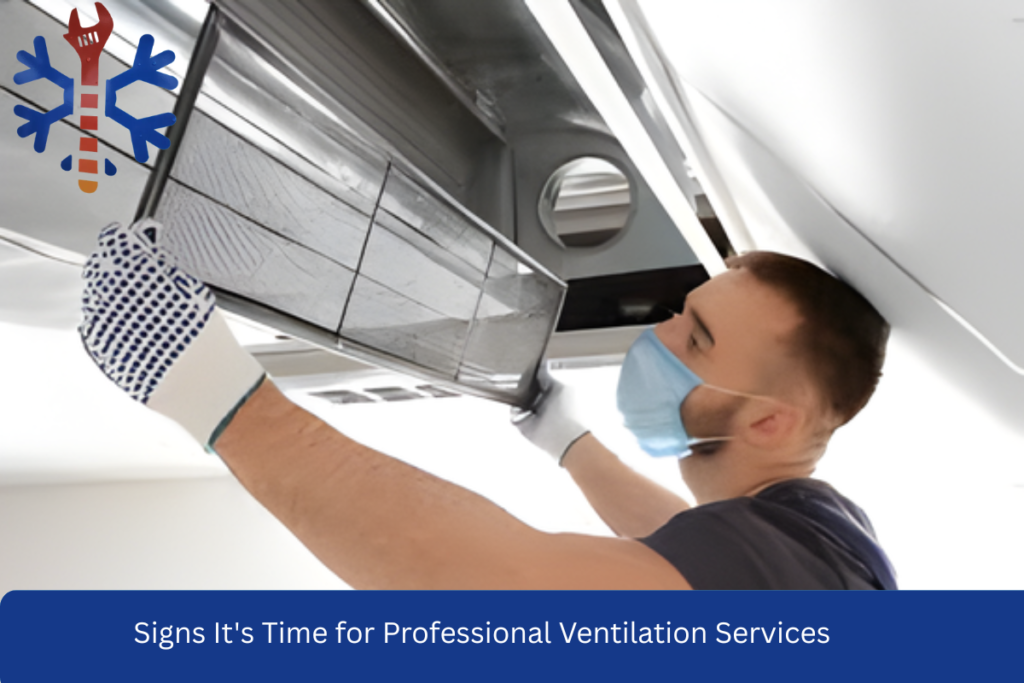
Professional technicians use specialized tools to evaluate airflow, identify hidden obstructions, and assess overall system performance. Their expertise allows them to recommend targeted solutions that improve efficiency, comfort, and safety.
Whether your property needs repairs, upgrades, cleaning, or a complete ventilation assessment, investing in professional service can deliver long-term benefits that extend beyond improved airflow.
FAQ
How do I know if my ventilation system needs repair?
Common signs include persistent odors, poor airflow in home areas, excessive humidity, uneven temperatures, rising energy bills, and worsening allergy symptoms.
How often should ventilation systems be inspected?
Most experts recommend a professional ventilation inspection at least once every year. Properties with higher occupancy or moisture levels may require more frequent evaluations.
Can poor ventilation affect my health?
Yes. Poor ventilation can contribute to respiratory irritation, allergy symptoms, headaches, fatigue, and exposure to indoor air contaminants.
What causes stale indoor air?
Stale indoor air typically results from inadequate air exchange, blocked vents, poor circulation, or malfunctioning ventilation equipment.
Can ventilation services improve energy efficiency?
Absolutely. Proper airflow helps HVAC systems operate more efficiently, reducing energy consumption and lowering utility costs.
Is mold always caused by ventilation problems?
Not always, but inadequate ventilation is one of the leading contributors to moisture buildup and mold growth indoors.
Final Thoughts
Ventilation plays a crucial role in maintaining comfort, promoting health, and enhancing energy efficiency. Unfortunately, many property owners overlook ventilation concerns until noticeable symptoms begin affecting daily life. Whether you’re experiencing excess indoor humidity, persistent odors, poor airflow, or declining indoor air quality, these warning signs should never be ignored.
By scheduling professional ventilation services at the first sign of trouble, you can prevent costly repairs, support improved air quality, and create a healthier indoor environment for your family, employees, or customers. If any of the signs discussed in this guide sound familiar, now is the perfect time to arrange a professional evaluation and ensure your ventilation system is performing at its best.