Your air conditioner plays a major role in keeping your home comfortable, especially during hot summer months. However, like any major home appliance, an AC system does not last forever. Over time, even the best-maintained units can lose efficiency, require frequent repairs, and struggle to keep your home cool. Knowing when to repair your system and when to consider an AC unit replacement can save you money, improve comfort, and prevent unexpected breakdowns.
Many homeowners continue repairing an aging air conditioner because they want to avoid the upfront cost of a new system. While repairs can sometimes extend the life of your equipment, there comes a point when investing in a new unit becomes the smarter choice. Understanding the common signs your AC needs replacement can help you make a timely decision before your system completely fails.
In this guide, we’ll explore the biggest warning signs that indicate your AC may need replacing, the benefits of upgrading your system, and how a modern cooling solution can improve your home’s efficiency and comfort.
Your AC Requires Frequent Repairs
One of the clearest indicators that you may need an air conditioner replacement is the increasing frequency of repairs. If you find yourself calling a technician multiple times every year for different issues, your current system may be reaching the end of its useful life.
Small repairs can be reasonable for a newer AC unit, but repeated expenses can quickly add up. Over time, the money spent fixing an outdated system may approach the price of investing in a new, reliable unit. Understanding the balance between repair expenses and long-term benefits is essential when deciding whether replacement makes financial sense.
A professional HVAC technician can evaluate your system and help determine whether repairs are still practical. In many cases, replacing an unreliable unit with a modern system provides better performance and fewer unexpected costs.
With professional AC replacement services, homeowners can upgrade to equipment designed for improved efficiency, reliability, and long-term savings.
Rising Energy Bills Without More Usage
Have your cooling costs increased even though your daily habits have stayed the same? A sudden rise in energy bills may indicate that your AC system is losing efficiency. As air conditioners age, internal components wear down, forcing the system to work harder to maintain the same temperature.
Older units often consume more electricity because they struggle to produce consistent cooling. This inefficiency not only affects your monthly budget but also puts additional strain on the equipment, leading to more frequent problems.
Upgrading to an energy-efficient air conditioner can significantly improve your home’s cooling performance while reducing energy consumption. Modern systems are designed with advanced technology that provides better temperature control while using less power.
A new system installed through professional HVAC installation can help homeowners enjoy lower operating costs, improved comfort, and a more environmentally friendly cooling solution.
Your AC Is More Than 10–15 Years Old
The age of your air conditioner is another important factor when considering replacement. Most AC systems have a limited lifespan, and older units often become less efficient as components naturally wear out.
If your system is approaching or exceeding 10–15 years of service, replacement may be a better investment than continuing repairs. Older units may also lack modern features, improved efficiency ratings, and advanced comfort controls available in today’s models.
Aging equipment can also become harder to repair because certain parts may be discontinued or more expensive to find. Instead of investing heavily in an outdated system, homeowners can benefit from upgrading to a newer solution.
A cooling system replacement gives you the opportunity to install a system that matches your home’s needs while providing improved reliability and performance.
Uneven Cooling and Poor Comfort
A properly functioning air conditioner should maintain consistent temperatures throughout your home. However, if some rooms feel colder while others remain warm, your AC system may no longer be distributing air effectively.
Uneven cooling can happen because of aging components, reduced airflow, failing compressors, or an improperly sized system. While some issues can be corrected through repairs, persistent comfort problems may indicate that replacement is necessary.
A modern AC system upgrade can provide better airflow, improved temperature control, and enhanced comfort throughout your home. Newer systems are designed with advanced features that help maintain more balanced cooling.
When considering a replacement, working with experts who provide professional AC installation ensures your new system is properly sized, correctly installed, and optimized for maximum performance.
Strange Noises, Frequent Breakdowns, and Other Warning Signs
An air conditioner should operate smoothly with minimal noise. While it is normal to hear your system start and stop, unusual sounds such as grinding, banging, buzzing, or clicking may indicate serious internal problems.
These noises often point to issues with motors, electrical components, fans, or other mechanical parts. Although some problems can be repaired, repeated breakdowns are often a sign that your AC system is becoming unreliable and may need replacement.
Water leaks, refrigerant issues, and weak airflow are also common warning signs that your system is struggling. If your AC requires constant attention despite regular maintenance, investing in a new unit may be more cost-effective than continuing repairs.
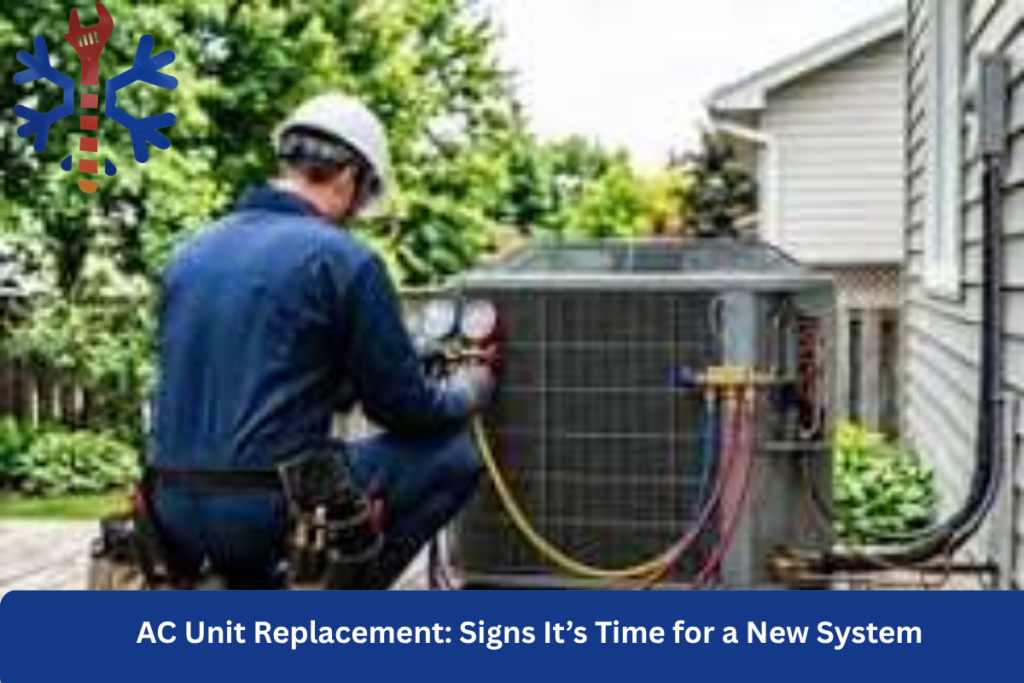
A professional inspection can help determine whether your current system needs repair or if a complete HVAC replacement would provide better long-term value. Experts can evaluate your equipment’s condition and recommend the best solution based on your comfort needs and budget.
Benefits of Installing a New AC System
Replacing an outdated air conditioner provides many benefits beyond simply improving cooling performance. A new system can increase energy efficiency, reduce maintenance costs, and create a more comfortable indoor environment.
Modern systems are designed with advanced technology that allows better temperature control and quieter operation. Many newer models also include smart features, improved filtration, and higher efficiency ratings compared to older units.
A new AC installation can help homeowners reduce monthly energy expenses while enjoying more consistent cooling. Although the initial investment may seem significant, the long-term savings and improved reliability often make replacement worthwhile.
Choosing a professional air conditioning replacement service ensures your new system is installed correctly and operates at peak performance. Proper installation plays a major role in maximizing efficiency and extending the lifespan of your equipment.
Understanding AC Replacement Costs and Value
One of the biggest concerns homeowners have is the AC replacement cost. The total investment depends on several factors, including the size of your home, the type of system selected, installation requirements, and energy efficiency ratings.
While replacing an AC unit requires an upfront investment, continuing to repair an old system can become more expensive over time. Frequent service calls, rising energy bills, and reduced comfort can add up quickly.
A newer system can provide long-term financial benefits through lower operating costs and fewer repair needs. Many homeowners find that upgrading to a more efficient model helps offset the initial expense through monthly energy savings.
When planning a replacement, consult with an experienced HVAC professional who can explain available options and help you choose a system that fits your home’s requirements.
Choosing the Right Replacement System for Your Home
Selecting the right AC system is an important decision that affects your home’s comfort, efficiency, and future expenses. The best system depends on factors such as your home’s size, insulation, existing ductwork, and cooling requirements.
A professional HVAC technician can perform an evaluation to determine the ideal system size and recommend equipment that provides reliable performance. Installing a unit that is too large or too small can lead to efficiency problems and uneven cooling.
Many homeowners choose a high-efficiency model because it offers better performance while reducing energy usage. An energy-efficient air conditioner can provide excellent cooling while helping lower environmental impact and monthly utility costs.
Whether you need a standard replacement or a complete central air conditioning replacement, professional guidance ensures you receive a system that delivers lasting comfort and value.
Frequently Asked Questions
How do I know if my AC needs replacement?
Common signs your AC needs replacement include frequent repairs, rising energy bills, uneven cooling, strange noises, poor airflow, and an aging system.
How long does an air conditioner usually last?
Most air conditioning systems last around 10–15 years with proper maintenance. Older units may become less efficient and require more frequent repairs.
Is it better to repair or replace my AC?
If repairs are becoming frequent or expensive, replacement may be a better investment. A professional technician can help compare repair costs with the benefits of a new system.
How much does AC replacement cost?
The AC replacement cost varies depending on system size, equipment type, installation requirements, and efficiency rating.
Will a new AC system lower my energy bills?
Yes. A modern, high-efficiency system typically uses less energy and can help reduce monthly cooling expenses.
Why is professional AC installation important?
Professional installation ensures your system is correctly sized, safely connected, and operating efficiently. Proper installation also helps prevent future performance problems.
Final Thoughts
Knowing when to replace your air conditioner can help you avoid unnecessary expenses and uncomfortable breakdowns. While repairs may solve short-term problems, an aging and inefficient system can cost more over time through higher energy bills and frequent service needs.
Recognizing the warning signs early allows you to plan for a replacement instead of waiting for a complete system failure. Whether you are dealing with rising costs, poor cooling performance, or repeated repairs, upgrading your system can provide better comfort and long-term savings.
A professional AC unit replacement gives homeowners the opportunity to enjoy improved efficiency, quieter operation, and reliable cooling for years to come. By choosing quality equipment and trusted installation services, you can create a more comfortable and energy-efficient home environment.