Extreme weather can put your heating and cooling system under serious pressure. During a scorching summer, your air conditioner may run for hours without much of a break. In winter, your heating system may have to work continuously to keep your home warm and comfortable. If your HVAC system is not properly prepared, these demanding conditions can lead to reduced efficiency, higher energy bills, unexpected breakdowns, and uncomfortable indoor temperatures.
The good news is that a little preparation can make a major difference. Regular maintenance, timely repairs, and a few simple seasonal steps can help your HVAC system perform more reliably throughout the year. Whether you are preparing for extreme heat or freezing temperatures, taking action before the weather becomes severe is always the smarter choice.
In this guide, we will explore practical ways to prepare your HVAC system for extreme summer and winter weather and explain why professional maintenance is an important part of protecting your comfort.
Why Seasonal HVAC Preparation Matters
Your HVAC system works differently depending on the season, but one thing remains the same: extreme temperatures increase the workload on your equipment. When outdoor temperatures rise or fall significantly, your system must work harder to maintain the temperature you want inside your home.
Without proper preparation, this extra strain can cause several problems. For example, dirty filters can restrict airflow, worn components can fail under pressure, and neglected outdoor units may struggle to operate efficiently. As a result, you may notice uneven temperatures, weak airflow, strange noises, or rising utility bills.
Seasonal HVAC preparation helps you identify small problems before they become expensive emergencies. It can also improve energy efficiency, extend the life of your equipment, and give you greater peace of mind when extreme weather arrives.
Start With a Professional HVAC Inspection
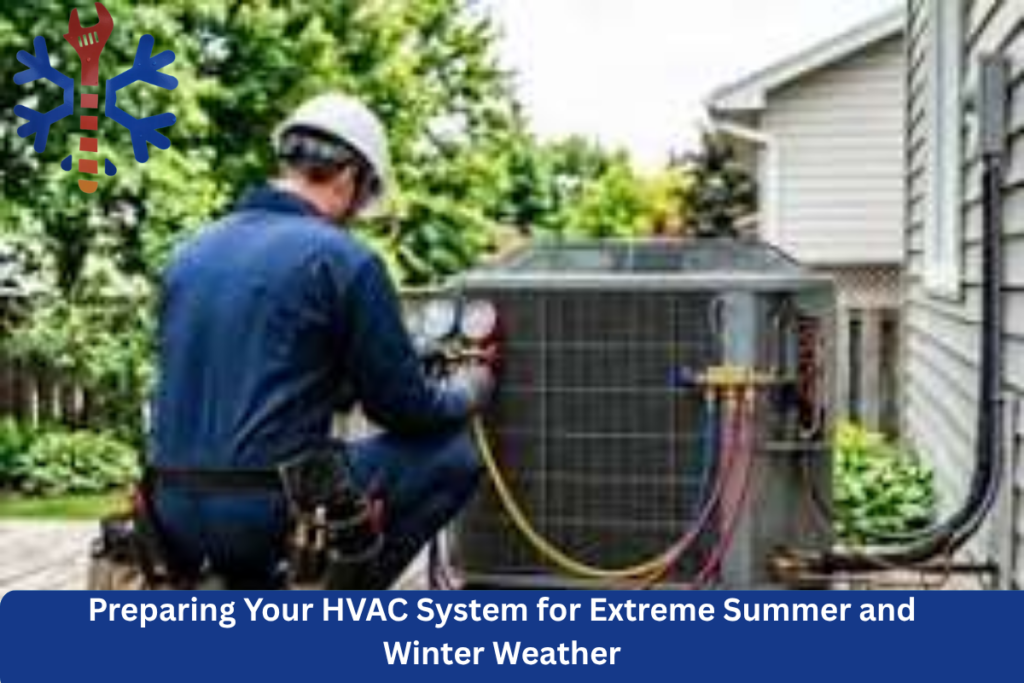
One of the best ways to prepare your system for summer or winter is to schedule a professional HVAC inspection. A trained technician can examine important components that may not be easy for homeowners to inspect on their own.
During a maintenance visit, an HVAC professional may check electrical connections, moving parts, refrigerant levels, filters, coils, thermostats, safety controls, and other essential components. They can also identify signs of wear that could lead to a breakdown during extreme weather.
This is especially important before the beginning of a demanding season. For instance, having your air conditioning system inspected before extreme summer heat arrives can help reduce the chance of discovering a problem on the hottest day of the year. Similarly, inspecting your heating system before winter gives you an opportunity to address potential issues before you need dependable warmth the most.
Regular maintenance is not simply about fixing problems. Instead, it is a proactive way to help your HVAC system operate safely, efficiently, and reliably.
Replace or Clean Your Air Filters
Your HVAC filter plays an important role in maintaining proper airflow. Over time, it collects dust, dirt, pet hair, and other airborne particles. Eventually, a dirty filter can restrict airflow and force your heating or cooling system to work harder.
Before extreme summer or winter weather begins, check your air filter and replace it if necessary. Depending on the type of filter, your household, and how frequently your system runs, replacement schedules can vary.
A clean filter offers several benefits, including:
- Improved airflow
- Better HVAC efficiency
- Reduced strain on the system
- Improved indoor air quality
- More consistent heating and cooling
This is one of the simplest maintenance tasks homeowners can perform, yet it can have a meaningful effect on HVAC performance. Make checking your filter part of your regular home maintenance routine rather than waiting until you notice a problem.
Prepare Your Air Conditioner for Extreme Summer Heat
During the summer, your air conditioning system becomes one of the hardest-working appliances in your home. Extreme heat can cause your AC to run longer and more frequently, especially if your home is not well insulated.
Before temperatures climb, start by checking the outdoor unit. Remove leaves, grass, branches, and other debris that may have accumulated around it. The unit needs sufficient airflow to release heat effectively, so avoid placing furniture, storage items, or landscaping too close to it.
You should also inspect the visible area around the unit for damage. However, avoid attempting complicated repairs yourself. Electrical components and internal AC parts should be handled by a qualified HVAC technician.
Inside your home, make sure your vents and registers are open and not blocked by furniture or rugs. Restricted airflow can make your cooling system work harder and may create hot and cold spots throughout your home.
If you notice weak airflow, warm air coming from the vents, unusual sounds, unpleasant odors, or frequent cycling, contact an HVAC professional before the problem becomes more serious.
Keep Your Thermostat Working Efficiently
Your thermostat controls when and how your HVAC system operates, making it an important part of seasonal preparation. Before extreme weather arrives, check that your thermostat is working correctly and responding to temperature adjustments.
A programmable or smart thermostat can help you manage indoor temperatures more efficiently. Instead of forcing your system to maintain the same temperature every hour of the day, you can create a schedule based on when people are home and when the house is empty.
During extremely hot weather, avoid making dramatic temperature changes. Setting the thermostat far below the outdoor temperature will not necessarily cool your home faster. Instead, it can cause the system to run longer and increase energy consumption.
The same principle applies during winter. Choosing a comfortable and consistent temperature can reduce unnecessary strain while helping maintain indoor comfort.
Clean and Protect Your Outdoor HVAC Equipment
Your outdoor HVAC equipment faces rain, wind, dust, heat, and other environmental conditions throughout the year. Keeping the area around the unit clean is an important step in seasonal preparation.
During the warmer months, clear away debris and trim vegetation to maintain adequate airflow. Check periodically after storms because leaves and branches can quickly collect around the equipment.
For systems that use an outdoor heat pump, winter preparation is equally important. Snow, ice, and debris can interfere with airflow and performance. Keep the area around the unit clear, but do not aggressively chip away ice or use sharp tools that could damage the equipment.
If you are unsure how to protect your specific outdoor unit during the winter, ask an HVAC professional for guidance. Different systems have different requirements, and improper covering or maintenance can sometimes create more problems.
Prepare Your Heating System Before Winter Arrives
You do not want to discover that your heating system has a problem during the first major cold spell. Before winter arrives, turn your heating system on and make sure it produces warm air as expected.
Pay attention to unusual signs such as:
- Strange banging, rattling, or squealing sounds
- Burning or unusual odors that do not disappear
- Weak or inconsistent airflow
- Cold areas in different parts of the home
- Frequent system cycling
- A sudden increase in energy bills
Some odors may occur temporarily when a heating system is first turned on after a long period of inactivity. However, persistent or concerning smells should be inspected by a professional.
A professional heating inspection can help ensure that critical components are operating properly. If your system uses combustion, professional service is particularly important for checking safety-related components and ensuring the equipment is functioning correctly.
Check Your Home for Air Leaks
Preparing your HVAC system is important, but preparing your home is just as valuable. If warm or cool air constantly escapes through gaps and cracks, your HVAC system must work harder to maintain the desired indoor temperature.
Before summer and winter, inspect areas around windows and doors for noticeable drafts. Consider sealing gaps where appropriate and checking whether weatherstripping is worn or damaged.
Proper insulation can also make a significant difference. In summer, it helps reduce unwanted heat entering the home. During winter, it helps keep indoor warmth from escaping.
By improving your home’s ability to maintain indoor temperatures, you can reduce the workload placed on your HVAC equipment. This can improve comfort while potentially helping control energy costs.
Keep Vents and Air Ducts in Good Condition
Your HVAC system depends on proper airflow to distribute heated or cooled air throughout your home. Make sure vents and registers remain clear of furniture, curtains, and other obstructions.
If certain rooms consistently feel much hotter or colder than others, the issue may involve airflow, ductwork, insulation, or other HVAC components. Instead of simply closing vents throughout the home, consider having the problem professionally evaluated.
Ductwork can develop leaks or other issues over time. When conditioned air escapes before reaching the intended rooms, your HVAC system may have to work harder to achieve the same level of comfort.
Addressing airflow concerns before extreme weather arrives can help prevent small comfort problems from becoming more noticeable when your system is under maximum demand.
Do Not Ignore Warning Signs
One of the biggest mistakes homeowners make is waiting too long to address HVAC problems. A small issue that appears manageable during mild weather can become a major inconvenience when temperatures become extreme.
For example, a system that occasionally makes a strange noise may eventually stop working. Weak airflow can become even more frustrating during a heat wave. A heating system that struggles to maintain temperature may become a serious comfort concern during freezing weather.
Contact an HVAC professional if you notice persistent changes in performance. Early service may help prevent further damage and reduce the risk of an unexpected breakdown.
Create a Simple Seasonal HVAC Checklist
A seasonal checklist can help you stay ahead of HVAC maintenance. Before summer, focus on your cooling system, thermostat, air filters, vents, and outdoor equipment. Before winter, test your heating system, replace filters, inspect for drafts, and schedule professional maintenance.
A simple routine may include:
- Checking and replacing air filters
- Testing the thermostat
- Clearing debris around outdoor units
- Ensuring vents are not blocked
- Listening for unusual sounds
- Watching for changes in airflow
- Scheduling professional maintenance
- Checking windows and doors for air leaks
- Addressing HVAC problems promptly
By completing these tasks before extreme temperatures arrive, you can feel more confident that your system is ready for the season ahead.
Trust iRobTech HVAC LLC for Seasonal HVAC Care
Preparing your HVAC system for extreme summer and winter weather does not have to be complicated. With regular maintenance, professional inspections, and attention to warning signs, you can help your heating and cooling equipment perform more efficiently when you need it most.
At iRobTech HVAC LLC, professional HVAC service can help homeowners stay prepared for changing weather conditions. Whether your system needs seasonal maintenance, repairs, or professional attention for a performance issue, addressing concerns early can help protect your comfort and reduce the stress of unexpected HVAC problems.
Do not wait until extreme temperatures place your system under maximum pressure. Prepare your HVAC system before the season changes and take proactive steps toward reliable heating and cooling throughout the year.